



Building Confidence to Navigate Peer Pressure, Online Risks, and Real-Life Challenges
Being a teenager can be complicated at times, but today’s teens are growing up in a world that’s more connected and more challenging than ever before. Between school, sports, part-time jobs, social events, and social media, teens are having to constantly make decisions that may affect their safety and overall well-being.
The most effective safety strategy isn’t based on fear. It is based on confidence. Confident teens are more likely to recognize warning signs, trust their instincts, speak up, walk away from unhealthy situations, and surround themselves with people who respect their boundaries.
Social safety is about teaching teens to become aware, make smart decisions, and develop the confidence needed to handle challenges as they arise and before they become dangerous. It’s not about teaching them to be afraid, but more about teaching them to be prepared.

What is Social Safety?
Social safety is the ability to recognize risky situations, establish healthy boundaries, and make choices that protect them physically and emotionally, as well as protecting their digital well-being. It influences how teens interact with friends, classmates, co-workers, neighbors, and people they meet through online interactions. It is ultimately about preparing young people for real life, and the decision-making abilities they will need to navigate friendships, relationships, and a variety of environments.
Whether it’s responding to peer pressure, recognizing manipulation, avoiding unsafe situations, or protecting personal information, social safety gives teens the tools they need to navigate life with greater confidence. When families, schools, and communities work together to reinforce these skills, teens tend to have better outcomes, stay safe, and thrive!
The Challenges Teens Face Today
Every teenager wants to feel included. That desire for acceptance can sometimes steer teens in the wrong direction and make it difficult to recognize unhealthy situations or speak up when something doesn’t feel right.
Some of the most common challenges teens encounter include:
- Peer pressure to fit in or take unnecessary risks
- Bullying, gossip, and social exclusion
- Unwanted attention or inappropriate behavior
- Pressure within dating relationships
- Unsafe parties or gatherings
- Online harassment, fake accounts, and digital manipulation
- Sharing too much personal information on social media
Some situations that begin as harmless fun can change abruptly. A small gathering of friends can become unsafe when strangers arrive, alcohol or drugs are introduced, or there is a lack of adult supervision. Recognizing these warning signs can make all the difference in the outcome.
Teen Habits That Improve Safety
Safety is created through consistent habits that become second nature.
Encourage teens to:
- Keep personal information private
- Let a parent or trusted adult know where they are going and when they are expected to return
- Keep phones charged and accessible
- Trust their instincts
- Know who to call if help is needed
Social Media and Personal Safety
Much of a teen’s life is expanded through social media outlets. It can be a great way to stay connected with friends and family, but it also creates exposure to cyberbullying, scams, impersonation, inappropriate requests, and unwanted attention.
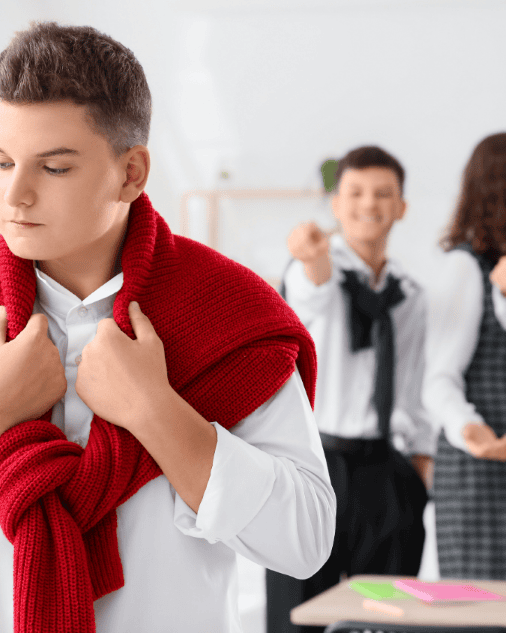
Teens must be mindful about what they post, send, or share. Questions they should consider include:
- Would I be comfortable with the content if everyone saw it?
- Could this reveal too much about where I am or what I’m doing?
- Do I really know the person with whom I am communicating?
- Could this post affect me later in life?
It’s also important to remember that screenshots and screen recordings can turn a private conversation into a public one in seconds. Privacy settings are helpful, but good judgment remains the strongest form of protection.
Teens and Boundaries
One of the greatest gifts an adult can give teens is the ability and permission to set healthy boundaries. Setting boundaries is a sign of confidence and self-respect. Simple verbiage can help teens better protect themselves.
For example, statements and actions as simple as those listed below can be empowering and provide protection in times of uncertainty:
- “No thank you!”
- “I’m leaving.”
- “I need to contact my parents first.”
- “I’m not comfortable with that.”
- “That doesn’t feel right.”
- Leave conversations that become disrespectful
- Limit location sharing
- Not sharing passwords
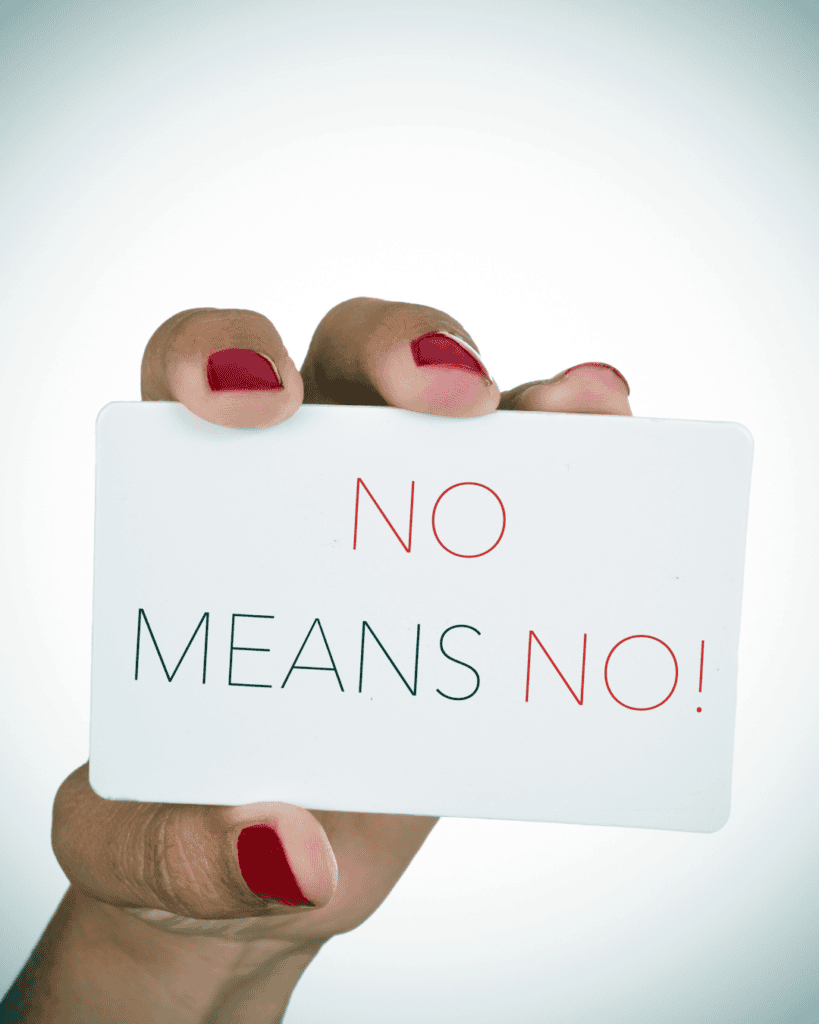
Teens must understand that no, stop, and get away from me are direct commands! The more these responses are practiced, the more natural they become in times of need. The threat may come via online interaction with strangers and predators who pretend to be teens or friends. They sometimes entice teens to send personal information, inappropriate photos, or meet them in person. Grooming is common through online gaming, social apps, and fan communities.
Some of the warning signs include:
- An older person showing unusual or inappropriate interest in a teen’s personal life
- Predators requesting teens to keep their conversations secret
- Grooming may include expensive gifts, compliments, and special attention that overwhelms the teen
Teens must be told and taught to trust their gut feelings, report suspicious online users, and tell an adult if something feels creepy or inappropriate.
The Important Roles of Parents, Mentors, and Educators
Adults have a great deal of influence on how teens approach safety. The goal is to prepare teens, not lecture or scare them. It’s to create an environment where teens feel comfortable and encouraged to ask questions, share concerns, and admit mistakes without fear of immediate judgment.

Some of the ways that parents, teachers, coaches, and mentors can strengthen social safety include:
- Having frequent conversations about real-life situations
- Practicing “What if?” scenarios
- Teaching teens how to exit uncomfortable situations safely
- Listening carefully when teens express concerns and taking them seriously
- Modeling respectful relationships and healthy communication
When trust exists, teens are more likely to seek guidance before a situation becomes unmanageable. Teens must learn to respect their own boundaries, as well as respecting the boundaries of others.
Extra Resources for Teens
Sometimes, social safety issues become a problem that requires extra support or assistance. If a teen is being harassed, threatened, shows signs of self-harm, or is in crisis:
- Encourage your teens to tell a trusted adult (parent, teacher, or counselor).
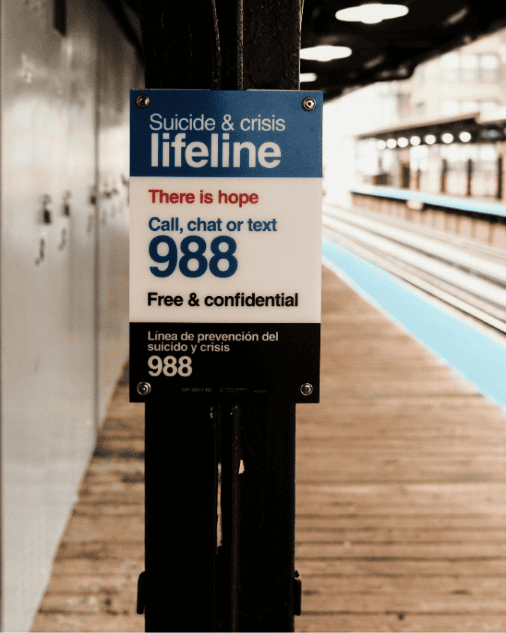
- In the U.S., the 988 Suicide & Crisis Lifeline (call or text 988) is available 24 hours a day, 7 days a week for mental health crises.
- Schools and local health services often have counselors who can help with bullying, anxiety, and online safety issues.
Be sure to watch for warning signs in teens such as obvious changes in mood, drug and/or alcohol use, interrupted sleep patterns, drastic changes in appetite, dropping grades or social life, a desire to avoid school or social activities, secrecy around electronic devices, or signs of anxiety or depression linked to online experiences.
Safety education should empower teens, not frighten them. By developing awareness, building confidence, and practicing good judgment, teens can enjoy new experiences while making good choices that maintain their personal safety.