



Firearms are a reality in many homes. Whether for personal protection, sport shooting, or hunting, responsible gun ownership includes not only safe storage and handling but also educating children. However, teaching kids about firearms isn’t a one-size-fits-all approach—it requires age-appropriate strategies that evolve with a child’s maturity and understanding.
Why Early Education Matters
Many accidents involving children and firearms occur because a child encounters a gun and doesn’t understand the danger. Early and honest conversations can reduce their curiosity, encourage respect, and ultimately save lives. Avoiding the topic doesn’t protect children—it often leaves them more vulnerable.
Education by Age Group
Ages 3–6: “Stop, Don’t Touch, Leave the Area, Tell a Trusted Adult”
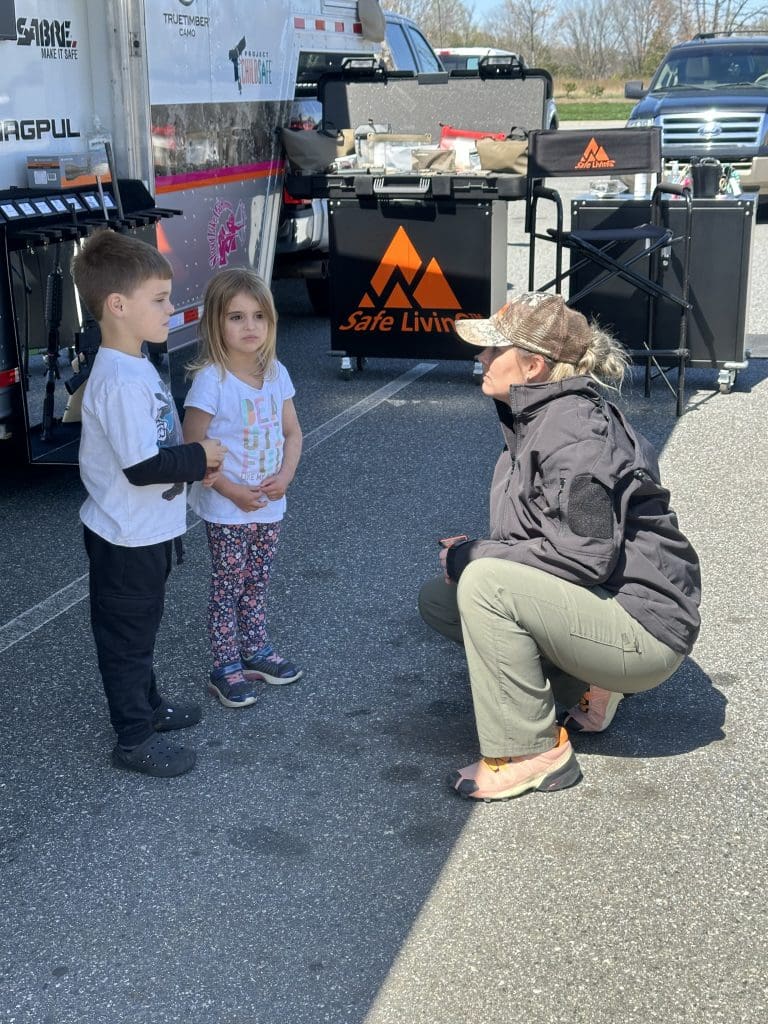
At this age, children are naturally curious and impulsive. They can begin learning basic safety principles. Shoot Like a Girl’s contracted firearms instructors speak to children of all ages about firearms safety, but when the opportunity presents itself to speak to children specifically in this age group, we act.
Strategies:
Use repetition-based learning like the NRA’s Eddie Eagle program:
- STOP! – This first step is crucial. Stopping first allows your child the time he or she needs to remember the rest of the safety instructions.
- Don’t Touch – A firearm that is not touched or disturbed is unlikely to be fired and otherwise endanger your child or other people.
- Run Away – This removes the temptation to touch the firearm as well as the danger that another person may negligently cause it to fire.
- Tell A Grown-up – Children should seek a trustworthy adult, neighbor, relative or teacher – if a parent or guardian is not available.
Role-play scenarios using toy guns or pictures: What should they do if they see a gun? You can use squirt guns or Nerf guns as example role-playing props.
Emphasize the seriousness of firearms without instilling fear. A healthy respect for firearms is a good thing not just for children but for EVERYONE.
Keep all firearms locked and completely inaccessible. Children see everything and repeat everything. Ensure your child does not see what the combination to the gun safe is, or where the key is hidden. You may feel like you trust your child not to enter your safe, but that doesn’t mean they won’t tell their best friend at school.
Key Message: If you see a gun—Stop. Don’t touch. Leave the area. Tell a trusted adult.
Ages 7–10: Respect and Awareness
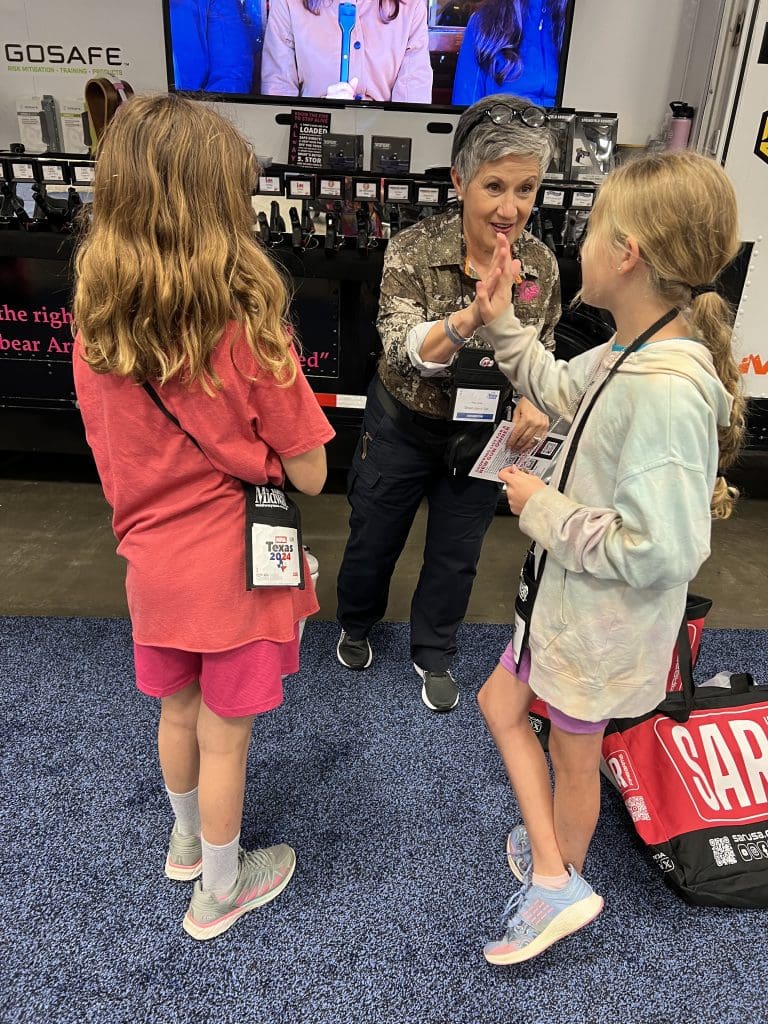
Children in this age group can begin to understand cause and effect. This is a good time to move beyond “what not to do” and start explaining why firearms can be dangerous.
Strategies:
Explain that firearms are not toys and can cause permanent harm or death.
Teach the difference between pretend play and real consequences.
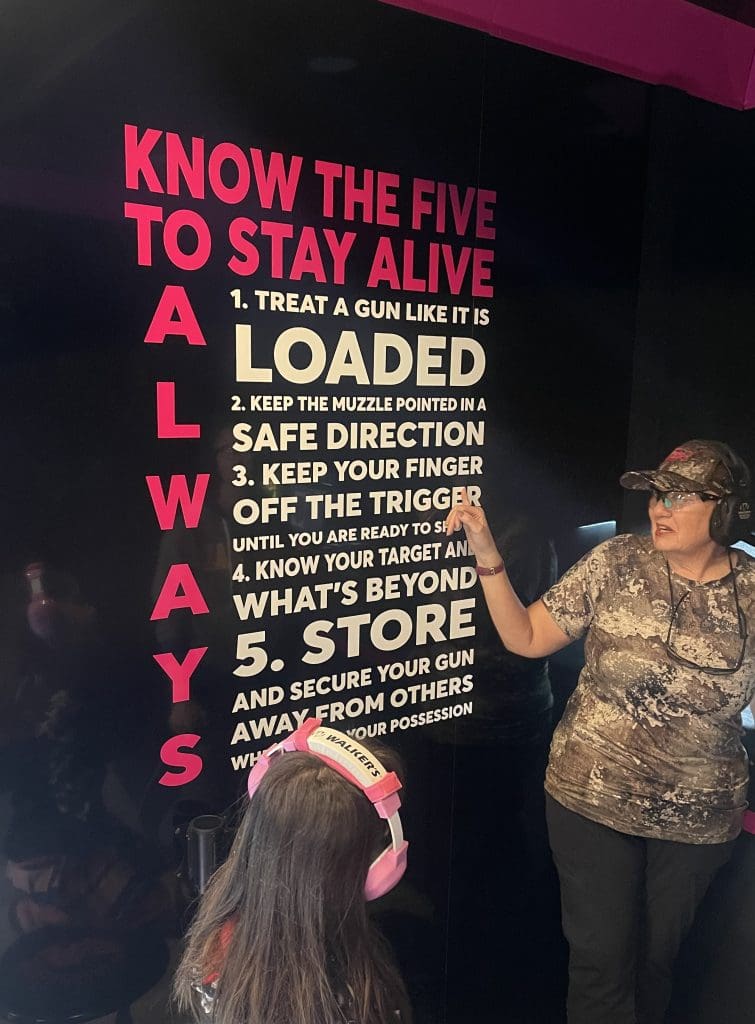
Introduce basic rules of firearm safety, even if they’re not handling firearms yet:
- ALWAYS TREAT EVERY FIREARM AS IF IT IS LOADED.
- ALWAYS MAKE SURE THE MUZZLE (FIREARM) IS POINTED IN A SAFE DIRECTION.
- ALWAYS ENSURE FINGERS ARE OFF THE TRIGGER UNTIL READY TO SHOOT.
- ALWAYS KNOW WHAT YOUR TARGET IS, AND WHAT IS BEYOND THE TARGET.
- ALWAYS KEEP FIREARMS STORED AND SECURED SAFELY AWAY FROM UNAUTHORIZED USERS.
Watch age-appropriate videos or use children’s books about firearm safety:
- Toys, Tools, Guns & Rules: A Children’s Book About Gun Safety – By Julie Golob (reading level 3-7 years of age)
Key Message: Guns are tools that must be handled with caution and adult supervision.
Ages 11–14: Supervised Exposure and Responsibility
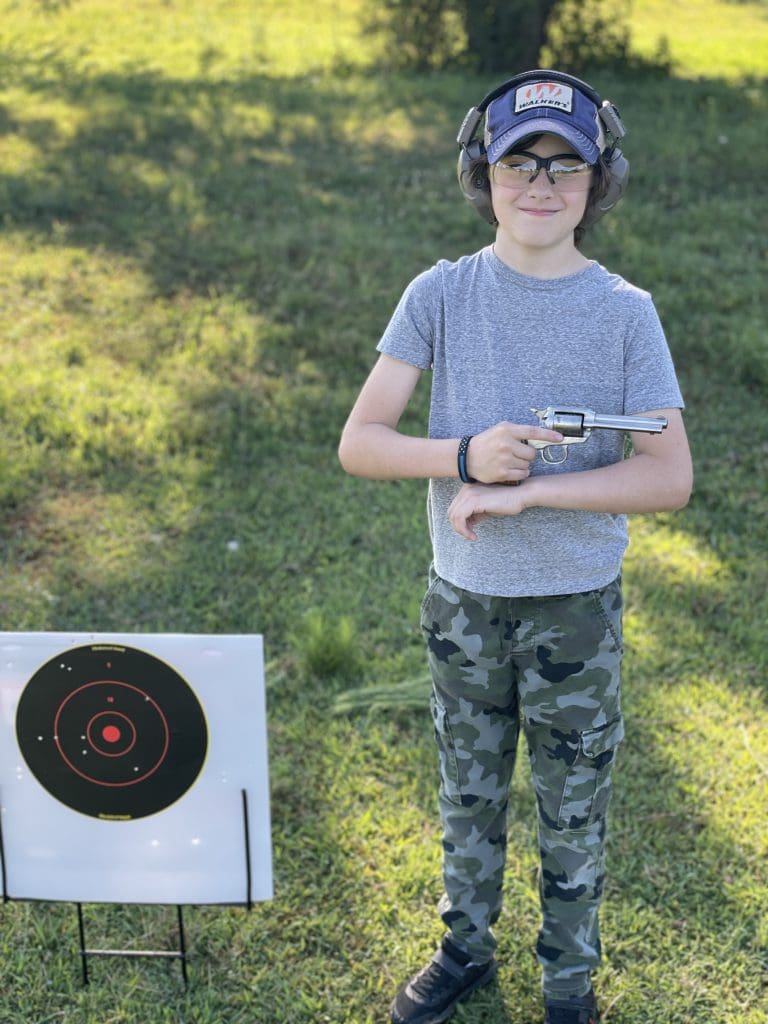
This is the age where some families choose to begin supervised firearms training. Maturity should be the main factor—not age alone—when deciding whether a child is ready for hands-on instruction.
Strategies:
Start with unloaded firearms, teaching safe handling and storage practices.
Enroll in a certified youth firearm safety course or hunter safety program.
Teach the Five Basic Rules of Gun Safety:
- Treat all guns as if they are loaded.
- Never point the muzzle at anything you don’t intend to shoot.
- Keep your finger off the trigger until ready to shoot.
- Know your target and what’s beyond it.
- Store and secure firearms away from others when not in your possession.
Key Message: Firearms demand responsibility and discipline.
Ages 15–18: Developing Independent Judgment
Teenagers can begin practicing more independent decision-making and possibly engaging in shooting sports or hunting. However, adult supervision and guidance should continue.
Strategies:
Reinforce safety rules regularly.
Discuss legal responsibilities, ethical hunting practices, and peer pressure.
Teach proper cleaning, maintenance, and secure storage.
Encourage respectful conversations about firearms and gun culture.
Key Message: With privilege comes responsibility—and safety is always the priority.
Tips for Parents
Lead by Example: Children will mirror your attitude and behavior. Model safe, respectful firearm handling at all times.
Keep Communication Open: Let your child know they can ask questions or express concerns without judgment.
Use Teachable Moments: News stories or real-life events can be powerful ways to reinforce lessons.
Reassess Often: A child’s understanding and maturity level can change quickly—adapt your approach accordingly.
Teaching children about firearms is not about glorifying guns or encouraging reckless behavior—it’s about creating a culture of safety, respect, and responsibility. By tailoring lessons to a child’s age and maturity, parents can help prevent accidents and prepare their children to make smart, informed choices in any situation involving a firearm.
When it comes to kids and guns, silence is not safety. Education is.
We may get a small commission from sales from these links.