



Helping children become aware—not afraid
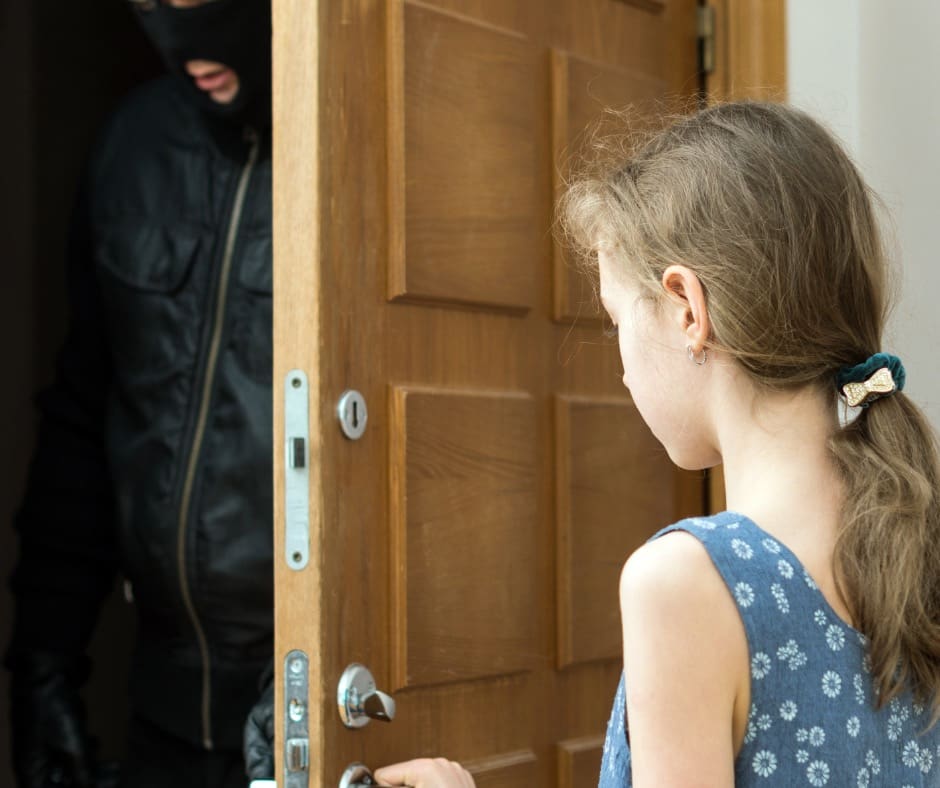
For generations, parents have taught children two simple words: “Stranger danger.”
The intention is good. We want children to understand that not every person they encounter is trustworthy and that they should never simply follow, leave with, or accept something from someone they don’t know. But keeping children safe requires more than teaching them to fear strangers. Children encounter unfamiliar people every day—teachers, coaches, store employees, police officers, neighbors, doctors, other parents and community members. Most of these interactions are perfectly safe. At the same time, an unsafe person isn’t necessarily a stranger.
A better approach is to teach children how to recognize unsafe behavior, establish personal boundaries, respond confidently and know which adults they can turn to for help.
The goal isn’t to make children suspicious of everyone. It’s to give them skills.
One suggestion is to use the phrases “People Safety” or “Safe vs. Unsafe Behaviors” as opposed to “Stranger Danger.” There may be a time when a child actually needs help from a stranger.
Teach Behaviors, Not Just People
Instead of simply saying, “Don’t talk to strangers,” teach children what behaviors should cause them to stop and seek help.
An adult or older child should not ask a child to:
- Keep uncomfortable secrets from parents or caregivers.
- Go somewhere without a parent’s permission.
- Get into a vehicle without permission.
- Help search for a lost pet or person.
- Accept gifts, rides or treats against family rules.
- Break a family safety rule.
- Ignore uncomfortable touching or personal boundaries.
- Communicate secretly through texts, games or social media.
- Leave a safe location without telling the adult responsible for them.
A useful family message is: Safe adults don’t ask children to break their family’s safety rules. Children should also understand that they never have to be polite when someone is making them feel unsafe.

Create a Family Safety Circle
Young children especially need to know exactly who their trusted adults are. Sit down together and identify several adults your child can turn to if you aren’t available. Depending on your family, that might include grandparents, relatives, teachers, neighbors or close family friends. Don’t assume your child knows. You can even ask:
“If you couldn’t find me, who are three adults you would feel safe asking for help?”
Discuss the answers together.
As children get older, revisit the conversation. Their activities, independence and social circles will change, and their safety plan should change with them.
Teach Children to Ask Before They Go
One of the strongest family rules is also one of the simplest:
Ask before you go anywhere with anyone.
That includes people the child knows. Teach your child that before leaving a location, entering someone’s home, accepting a ride or changing plans, they should check with a parent or designated caregiver. This creates a habit of communication rather than relying on a child’s ability to determine whether someone is trustworthy.
Create a Family Code Word
A family code word can provide an additional layer of security. Choose a word that is easy for your children to remember but difficult for someone else to guess.
If someone unexpectedly tells your child:
“Your mom sent me to pick you up.”
Your child can ask for the family code word. If the person doesn’t know it, your child should not leave with that person and should immediately find a trusted adult. Make sure children understand that the code word itself is private and shouldn’t be shared with friends.
If you use the code word, change it afterward.
Practice the “No — Go — Yell — Tell” Response
Children often need permission to make noise. We spend years teaching them to be polite, follow directions and respect adults. Unfortunately, those lessons can conflict with safety when an adult is behaving inappropriately. Give your child permission to respond differently when they feel threatened.
Teach:
- NO! — Say “No!” or “Stop!” loudly and firmly.
- GO! — Move away immediately toward a safer location.
- YELL! — Make noise. Shout things that clearly communicate what’s happening, such as “I don’t know you!” or “You’re not my parent!”
- TELL! — Tell a trusted adult what happened.
Most importantly, tell children they won’t get in trouble for yelling, running away or being “rude” when they are trying to protect themselves.
Teach Them What to Do If They Become Lost
“Don’t talk to strangers” becomes especially problematic when a child is lost. A lost child may need help from someone they don’t know. Instead, teach children how to choose someone who is more likely to be able to help. In a store, they might approach an employee at a register or customer-service desk. At a school or sporting event, they might approach a teacher, coach, security officer or uniformed employee. Another option often taught to children is to look for a parent who is there with children. Teach young children to stay in the general area where they became separated, unless remaining there would be unsafe. Children should know their parents’ full names and, when age appropriate, a parent’s phone number.
Make Sure Children Know Basic Information
Depending on their age and ability, children should gradually learn:
- Their full name, parents’ or caregivers’ full names, home address and at least one parent’s phone number.
They should also know how and when to call 911.
Practice what they would say:
- “My name is ______.”
- “I need help.”
- “I am at ______.”
- “My parent is ______.”
Children don’t need a perfect script. They need confidence that they can ask for help.
Don’t Forget Online “Strangers”
Today’s stranger-danger conversation can’t stop at the front door. Children can encounter unknown adults and older teens through gaming platforms, social media, messaging apps, livestreams and group chats. Someone online may pretend to be another child or may gradually build trust before asking for personal information, photos or private conversations. Teach children never to give online acquaintances information such as their address, school, daily schedule, phone number or current location without parental permission.
Children should also understand an important rule:
Never agree to meet someone in person whom you know only from the internet.
If someone asks a child to hide an online friendship or conversation from parents, that’s an important warning sign. Parents should work to create an environment where children can report uncomfortable online interactions without immediately fearing punishment or losing their devices. If children believe they’ll automatically get in trouble, they may be less likely to tell you when something concerning happens.
Teach Body Boundaries
Personal safety also means teaching children that their bodies belong to them. Use age-appropriate language about privacy and boundaries. Teach children that they can tell you when touching, attention, conversation or behavior makes them uncomfortable—even if the person involved is someone they know, like or respect. Avoid teaching children that they must hug or kiss relatives or friends simply because an adult expects it. Giving children reasonable control over everyday physical affection helps reinforce the larger message:
Your boundaries matter.
Also teach children that adults should not ask them to keep secrets about inappropriate touching, photographs or other behavior that makes them uncomfortable.

Pay Attention to “Tricks”
Rather than trying to make children memorize dozens of scenarios, discuss a few common approaches someone might use.
- “Can you help me find my puppy?”
- “Your mom asked me to pick you up.”
- “Come see what I have in my car.”
- “Don’t tell your parents—this is our secret.”
- “I’ll give you something if you come with me.”
Adults generally don’t need to ask an unfamiliar child for assistance finding a pet, getting directions or carrying something. Teach your child that they don’t have to figure out why someone is asking. They can simply move away and find a trusted adult.
Practice Instead of Just Talking
Safety skills become much more useful when they’re practiced. Turn everyday outings into short, calm learning opportunities.
At the grocery store, ask:
“If we became separated right now, what would you do?”
At a park:
“If someone you didn’t know asked you to help find a dog, what would you do?”
Before school:
“If someone told you I sent them to pick you up, what would you ask?”
At home:
“If someone online asked where you go to school, what would you do?”
Keep these conversations brief and matter-of-fact. You aren’t trying to scare your child. You’re helping responses become familiar.
Teach Awareness Without Teaching Fear
We want children to grow into confident adults who can interact with the world—not adults who believe everyone around them is dangerous. So, balance your safety conversations.
Instead of: “Strangers are dangerous.” Try: “Most people are good, but we still follow our safety rules.”
Instead of: “Never talk to anyone you don’t know.” Try: “You don’t go anywhere with someone unless your parent or caregiver says it’s okay.”
Instead of: “Always obey adults.” Try: “Adults deserve respect, but you can say no, leave and tell someone if an adult asks you to do something unsafe.”
That’s an important distinction.
Confidence Is Part of Safety
One of the greatest gifts we can give children is confidence in their ability to respond.
Teach them to notice their surroundings. Teach them to recognize inappropriate requests. Teach them that their voice matters. Teach them how to find help. Teach them that they can tell you anything—even if they made a mistake, broke a rule or are afraid they will get in trouble. And practice those lessons repeatedly as they grow. Because children’s safety isn’t built through one frightening conversation about “stranger danger.” It’s built through hundreds of small conversations that teach awareness, boundaries, communication and confidence.
A Final Thought for Parents
The goal isn’t to make children afraid of strangers—or afraid of the world around them.
Instead, teach them:
- Know your family’s rules.
- Know your trusted adults.
- Know that your body and boundaries matter.
- Know when something doesn’t feel right.
- Know how to get away and get help.
- And know that you can always tell someone.
Safety education should build awareness and confidence—not fear.
References
- National Center for Missing & Exploited Children (NCMEC)
- FBI — Protecting Your Kids
- FBI — Online Safety for Kids & Teens
- RAINN — Prevention Tips for Parents & Caregivers
Practical Parent Checklist: Is Your Child Safety-Ready?
Use this checklist to identify what your child already knows—and what you may want to practice together. Adjust expectations for your child’s age and maturity.
Basic Information
☐ My child knows their first and last name. ☐ My child knows my full name. ☐ My child knows their home address, when age appropriate. ☐ My child knows at least one parent’s/caregiver’s phone number. ☐ My child knows how and when to call 911. ☐ My child can give basic information to a 911 dispatcher.
Family Safety Rules
☐ My child knows to ask before going anywhere with anyone. ☐ My child knows never to get into someone’s vehicle without my permission. ☐ My child knows not to change plans or locations without checking with me. ☐ We have identified several trusted adults my child can contact for help. ☐ My child knows who is—and isn’t—authorized to pick them up. ☐ Our family has a private code word for unexpected pickups, if appropriate.
Personal Boundaries
☐ My child understands that their body belongs to them. ☐ My child knows they can say NO to unwanted or inappropriate touching. ☐ My child knows they don’t have to hug or kiss someone just to be polite. ☐ My child knows adults shouldn’t ask them to keep uncomfortable secrets. ☐ My child knows they can tell me about inappropriate behavior—even when it involves someone we know or trust. ☐ My child knows they won’t be punished for telling me about something that frightened or confused them.
Recognizing Unsafe Behavior
My child knows to be cautious if someone:
☐ Asks them to help find a lost pet or person. ☐ Offers gifts, treats or money to get them to go somewhere. ☐ Asks them to get into a vehicle. ☐ Says, “Your mom/dad sent me,” unexpectedly. ☐ Asks them to keep something secret from their parents. ☐ Wants them to break a family safety rule. ☐ Tries to make them feel guilty for saying no. ☐ Continues approaching or following them after they’ve tried to move away.
My Child Can Respond
☐ We’ve practiced NO — GO — YELL — TELL. ☐ My child knows it’s okay to yell loudly when they feel threatened. ☐ My child knows to move toward other people and a safer location. ☐ My child knows they can run away from an unsafe situation. ☐ My child understands that being safe is more important than being polite. ☐ My child knows to keep telling trusted adults until someone listens and helps.
If My Child Becomes Lost
☐ We’ve practiced what to do if we’re separated in public. ☐ My child knows not to wander around searching for me. ☐ My child knows how to identify an employee or other appropriate person who can help. ☐ My child knows to clearly say, “I’m lost. Can you help me find my parent?” ☐ We choose a meeting location when visiting large venues, when appropriate.
Online Safety
☐ My child knows people online may not be who they claim to be. ☐ My child knows not to share their address, school, phone number, schedule or location without permission. ☐ My child knows never to arrange an in-person meeting with an online acquaintance without parental involvement. ☐ My child knows to tell me if someone asks for private photos or personal information. ☐ My child knows that requests to “don’t tell your parents” are a warning sign. ☐ My child knows they can come to me about an uncomfortable online interaction without being afraid to tell the truth.
Parents: Check Your Own Preparedness
☐ I have current photos of my children. ☐ I know what my child’s school, daycare, sports team or activity program requires for authorized pickups. ☐ Emergency contacts are current. ☐ Babysitters and caregivers know our family’s safety rules. ☐ I periodically review privacy and location-sharing settings on my child’s devices and apps. ☐ I know which games, apps and social platforms my child uses. ☐ We regularly practice safety scenarios rather than discussing safety only after something happens.
One Final Check
Ask your child these five questions:
- What would you do if someone said I sent them to pick you up?
- What would you do if an adult asked you to help find a lost puppy?
- What would you do if we became separated in a store?
- What would you do if someone online asked where you live or go to school?
- Is there anything anyone could ever say or do that you would be afraid to tell me about?
That final question may be the most important one.
Create a relationship in which your child knows:
“You can always tell me. We will figure it out together.”
Remember
Don’t teach children that everyone is dangerous. Teach them how to recognize when a situation or behavior isn’t right—and give them permission to act.
Awareness + Boundaries + Practice + Communication = Confidence