



Why Home Security Inspections Matter
Everyone wants to feel safe in their home. The primary purpose of fortifying your home is to defend against would-be intruders, protect your family, and preserve your sense of security and peace of mind, whether at home or away.
Home security safeguards begin before stepping over the threshold. A security inspection to determine vulnerable areas in and around the home begins with identifying and securing breaches where intruders are likely to enter.
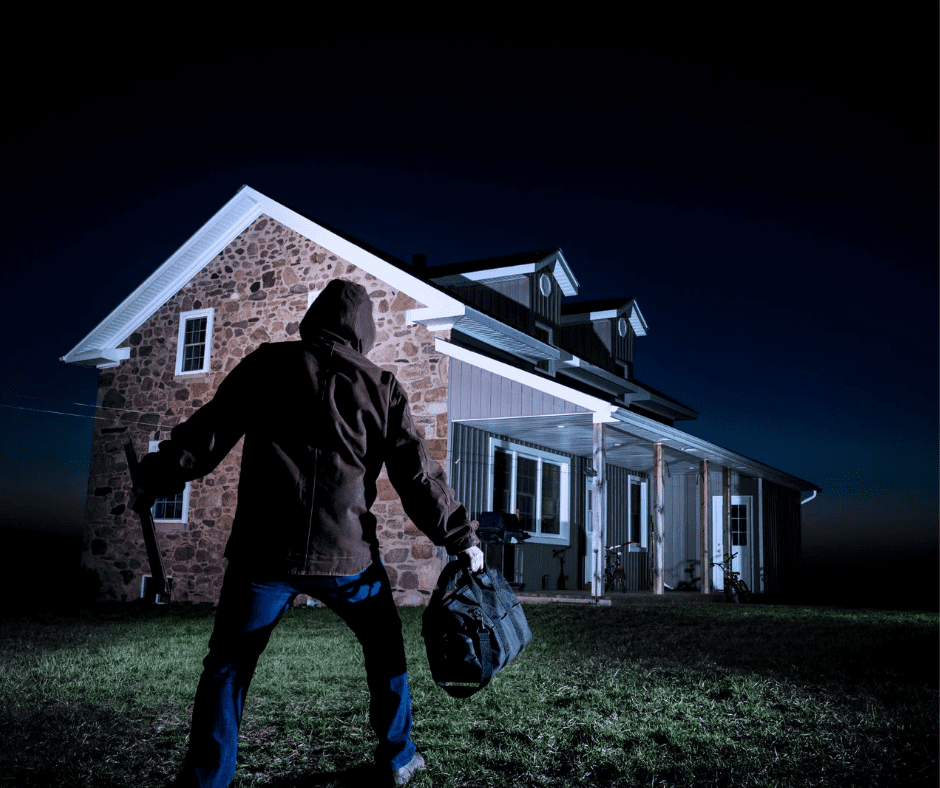
Conducting a Comprehensive Home Security Assessment
What Does a Security Inspection Include?
An inspection will include the perimeter of the property and the interior of the home. From lighting, landscaping, doors, and windows, the person conducting the assessment will begin the process from a potential criminal’s mindset.
Key areas to examine:
- Identify all potential entry points, including pet doors and easily overlooked areas
- Identify entry points not visible from the street or neighbors
- Conduct a thorough visual assessment to determine improvement needs
- Ensure all vulnerable areas are addressed
Beyond the Obvious Entry Points
Some homeowners focus primarily on the obvious points of entry, including front and back doors, garage doors, sliding glass doors, basement doors, and any ground level, easy access windows. However, vulnerabilities extend beyond the obvious areas.
Primary Home Entry Points for Burglars
According to law enforcement data, most burglars typically enter homes in the United States through three primary entry points:
- Front door
- Back door or sliding porch door
- First floor windows
These primary points of entry account for approximately 79% of burglaries.
Other access points include garage doors, basement entrances, unlocked doors, and second floor windows.
Most Vulnerable Access Points
Front Door Security Risks:
- The front door remains the most common and vulnerable access point
- Burglars will often check for an unlocked door before kicking it in
First-Floor Window Vulnerabilities:
- Often obscured by overgrown shrubbery
- Overgrown shrubbery and plants can interfere with security system motion detectors
- Many homeowners leave windows unlocked, making it extremely easy for criminals to gain access
Back Door Security Concerns:
- Generally shielded from the public eye and nosy neighbors
- Gives burglars time to enter the home undetected
- Typically weaker than other doors around the perimeter
- Burglars often look for the easiest point of entry
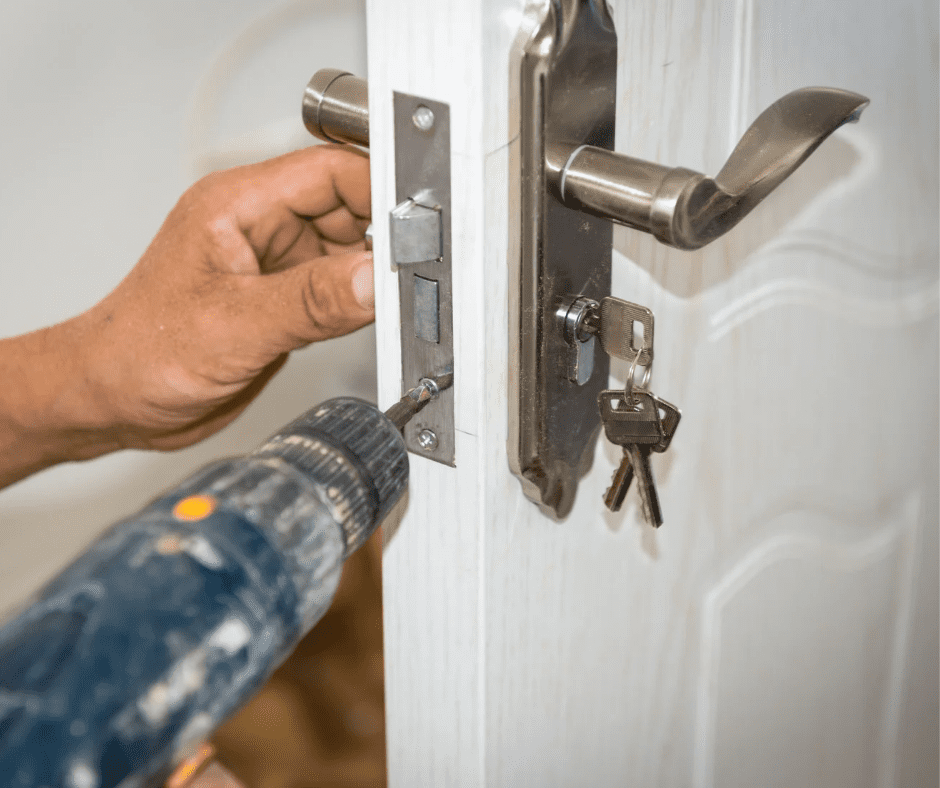
Home Security Enhancement Strategies
Reinforcing Vulnerable Entry Points
Door Security Upgrades
Door Material and Construction:
- Upgrade to solid wood, steel or fiberglass doors with solid cores
- Install high-quality deadbolts rated Grade 1 by the American National Standards Institute, which indicates the highest security and durability level
Installation Best Practices:
- Use longer screws in hinges and strike plates to resist forced entry
- Screws should penetrate the wall studs making the door more resistant to kick-in attempts
- Add door jammers or barricades for extra resistance during emergencies
Smart Security Solutions:
- Smart locks allow for temporary access codes without having to share keys to your home, which may be duplicated when not in your possession
- Install a wide-angle door viewer (peephole) if necessary
Sliding Glass Door Protection:
- Install a security bar on the door track to prevent easy opening
- Add a foot lock to reduce the risk of a criminal lifting the door out of its track
Window Security Measures
Physical Protection:
- Secure windows with security film, which helps to hold shattered glass together
- Window locks and burglar bars (with quick-release mechanisms for fire escape or other emergencies) enhance window security
Electronic Security:
- Window sensors and alarms provide early warning alerts indicating an intruder in the home
- Glass break sensors can be added as part of most security systems to alert the homeowner and law enforcement simultaneously
Securing the Home Perimeter
Garage Security Best Practices
Basic Garage Safety:
- Keep the garage doors down at all times
- Garages are an easy entry point that gives direct access to the home and its contents
Garage Door Opener Security:
- Never leave your remote garage door opener in your vehicle
- With older fixed-code models, the signal can be intercepted or compromised by criminals using code grabber devices
- New model garage door openers contain rolling code technology that changes the access code with each use
Interior Access Protection:
- Always lock the door leading into the interior of the home
- Install a high-quality deadbolt lock to the door between the garage and the home
- Secure it the same as you would the front door
Additional Garage Security Measures:
- Purchase manual garage door locks that engage directly with the door track
- Install frosted window film or curtains to prevent potential criminals from seeing inside the garage and determining when you are away
Exterior Lighting Solutions

Motion-Activated Lighting:
- Motion-activated lighting may serve as a deterrent for criminals and illuminate potential threats
- The element of surprise and the ability to see the potential threat allows time to react
Power-Independent Options:
- Solar-powered lighting works well for areas without an electrical source or when the power source is interrupted
Automated Lighting Systems:
- Dusk-to-Dawn lighting around the perimeter ensures lighting is automatically activated when natural light decreases
- Modern alarm systems are equipped with automatic lighting when activated by motion
Security Technology and Monitoring Systems
Video Surveillance and Monitoring
Camera Installation:
- Install video cameras, including video doorbells, to provide real-time monitoring and recording of perimeter activities
- Security surveillance cameras at key points of entry serve as deterrents and provide evidence should an incident occur
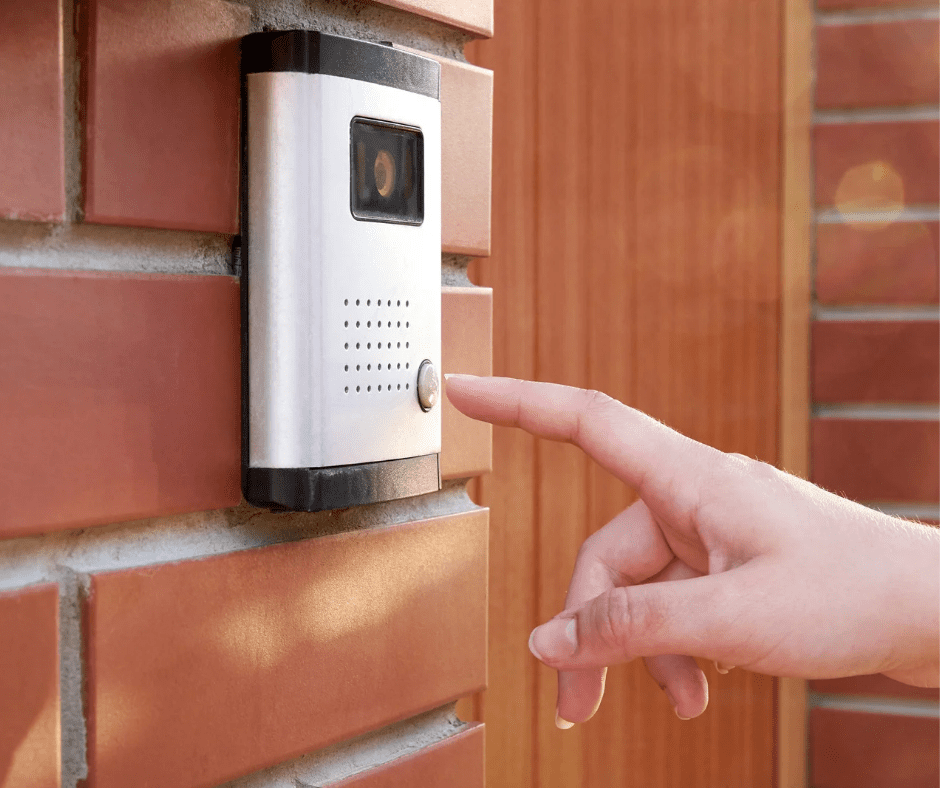
Integrated Security Systems:
- Monitoring systems provide added protection when integrated with door sensors, window sensors, lighting, motion detectors, and cameras
- Many systems provide professional monitoring services and cellphone alerts that keep you informed of security events or breaches
Smart Home Integration:
- Smart lighting systems can be pre-programmed to simulate occupancy when you are away
- Smart home integration systems can remotely monitor alarms, locks, and lights via the system’s app
Landscaping for Home Security
Natural Barriers and Deterrents
Strategic Plant Selection:
- Thorny plants and shrubs beneath windows create a natural barrier
- Consider planting bushes with thorns or spiky leaves underneath windows and along fence lines to discourage intruders
Maintenance for Security:
- Keep brushes trimmed to eliminate hiding spaces for intruders
- Hide motion-sensor lighting within landscaping to surprise trespassers
Maintaining Your Home Security Measures
Regular maintenance ensures your security measures remain reliable over time, helping to prevent vulnerabilities before they become safety risks. Maintenance includes regular checks, software or hardware updates, and improvements over time to ensure functionality.
Monthly Security Maintenance Checklist
Physical Inspections:
- Walk the perimeter and interior at least monthly to identify potential weak points
- Check for broken or damaged doors, windows, or lights
- Ensure doors and windows are closing properly and securely
- Remove hiding spots by cutting back overgrown bushes and trees near home
System Maintenance:
- Review your camera’s fields of view for blind spots or changes in property angles
- Test security system by testing alarms and ensuring cameras are recording properly
- Check batteries in wireless security-related devices and replace as necessary
- Replace bulbs as necessary
Digital Security:
- Change Wi-Fi passwords regularly, especially if there has been a security breach
- Lubricate locks, hinges, or handles as necessary
Creating a Comprehensive Home Security Strategy
Enhancing your security measures is a strategy to help reduce your risk of unauthorized entry into your home, making your home less attractive to potential intruders. Adding multiple layers of security measures is the most effective way to create a more secure environment, while preserving peace and comfort in your home.
There isn’t one single measure that provides complete protection. Technology offers flexibility and allows you to remain connected to your home from anywhere.
By taking a comprehensive approach and proactive measures to secure all entry points, you can fortify your home and enhance your peace of mind. Home security is an ongoing responsibility. Combining technology with mindful daily practices creates a well-guarded home whether you are at home or away.
The team as Safe LivinG asks you to “Please keep all firearms secured in a safe, when not in use.”
One comment
Ghar Raksha ke andar surakshit sthanon ke pahchan