




Safety in the workplace for medical professionals spans a wide range of risks. In addition to personal safety, there is the expectation to keep those in their care safe. Continuous training helps to reduce everyday incidents and catastrophic threats. Healthcare workers face a wide range of risk factors. Practicing good safety protocols reduces injuries, improves patient care, and reduces work-related stress.
There is a direct connection among worker safety, patient safety, and the provision of quality care.
Safety Programs
According to the Occupational Safety and Health Administration (OSHA), strong safety programs help employers identify and correct hazards before they become catastrophic. Creating an environment where employees feel protected and safe lowers burnout in stressful situations, builds trust and loyalty, reduces assaults/injuries, and reduces turnover. There is a direct connection among worker safety, patient safety, and the provision of quality care. Safety in the healthcare workplace is about avoiding harm to staff and improving patient outcomes.
Personal safety and patient safety support each other, as do physical, mental, and emotional safety. Some of the common risks in the healthcare industry include workplace violence from patients, visitors, family members, or coworkers, exposure to infectious diseases, needlestick injuries, and fatigue and burnout due to the long and stressful hours, which can cloud judgment and safety. The additional risk of transporting, lifting, and moving patients can cause physical strain or injury.

Personal Safety Protocols
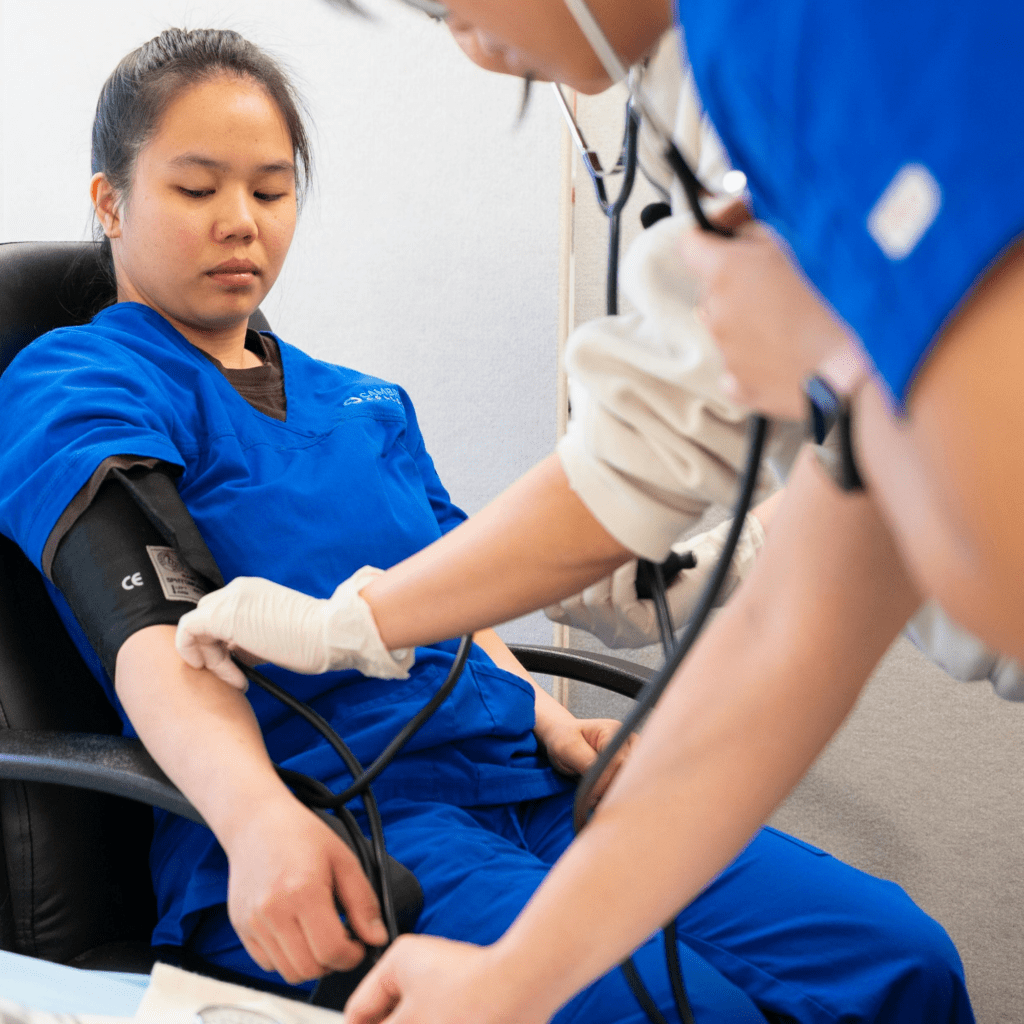
When leadership emphasizes and prioritizes a culture of safety, teamwork and morale soars. By creating clear policies, easy and confidential reporting systems, and accountability at all levels, employees feel their safety is top of mind for everyone. Safety protocols begin with personal protective equipment (PPE), which is specialized clothing worn by healthcare professionals to minimize exposure to hazards that may cause serious injuries, illnesses, or even death. Some examples include masks, gloves, eye protection, and barriers against chemical and biological hazards. Employers are often required to provide employees with the necessary PPE, along with the training and maintenance.
Personal Safety Tools in the Workplace
I have trained office staff in a variety of healthcare settings. Many medical offices lacked written policies on personal safety tools in the workplace. It is important to understand your facilities’ policies and procedures in this regard. It is equally important to understand the self-defense laws in your state. Whether you are authorized to bring your own tool or you have identified weapons of opportunity in your office environment, knowing when and how to use them to defend your life is imperative.
Healthcare professionals often work in unpredictable environments where patient behavior, visitor access and interactions, and isolated work areas can increase risks. Tools such as panic buttons and wearable duress alarms allow staff to quickly call for assistance. There may be other items throughout the office that could be used in case of an emergency. Tools may enhance safety, but they should not replace situational awareness, proper training, and teamwork.
When healthcare professionals prioritize their safety through awareness, communication, and training, they reduce the likelihood of incidents that could negatively impact patients, coworkers, and visitors. By investing in employee safety, healthcare organizations strengthen their safety culture, improve teamwork, and create environments where healthcare providers and patients can feel more secure. In healthcare settings, protecting yourself strengthens the care you provide for your patients.


Workplace Violence and Threats in the Healthcare Industry
Training employees in violence prevention, threat response, and recognizing warning signs of escalating behavior is vital to every safety program, especially in the healthcare sector. It is essential for protecting staff, patients, and visitors. It is common for healthcare workers to work under highly stressful conditions that lead to emotional distress and unpredictable behavior, resulting in verbal abuse, intimidation, and sometimes physical altercations. Training in de-escalation techniques can be especially useful in preventing unmanageable encounters. Encouraging staff to work closely with security teams, especially by following visitors’ access and control, helps reduce unauthorized access and improve the response to threats. Reporting suspicious behavior, aggression, or dangerous activity to the proper authorities promptly may help prevent escalation of a threatening situation.


Mental and Emotional Safety
Managing mental and emotional stress in the healthcare industry must be a major part of employee workplace safety priorities, as it helps to maintain employee well-being and ultimately, quality patient care. Excessive workloads, a fast-paced work environment, and repeated exposure to patient suffering and pain often lead to anxiety, fatigue, and burnout over time. Employees who suffer in silence mentally and emotionally may increase safety risks and subject patients to less than optimal care. A supportive and caring workplace allows access to mental health resources, coupled with regular breaks and open communication. Ensure that employees understand that asking for help is normal and accepted.
Personal Safety Checklist for Healthcare Professionals
- Always stay aware of your surroundings
- Know the location of exits, panic buttons, alarms, and security personnel
- Follow visitor control protocols
- Be alert when interacting with anyone who is agitated, under the influence, disoriented, or experiencing emotional distress.
- Use verbal de-escalation techniques when others become agitated; Never ignore warning signs.
- Report threats, aggressive behavior, and suspicious behavior quickly and through the proper channels
- Contact security staff when a situation feels unsafe or is escalating
- Wear the proper protective equipment, as appropriate
- Always follow infection control procedures consistently
- When possible, avoid working alone in high-risk areas