



Disasters don’t always give us time to prepare. Preparation gives us time to respond.
A tornado tears through your community. A severe storm knocks out power for several days. A wildfire or house fire forces you to leave quickly. Flooding makes roads impassable. A winter storm shuts down businesses and utilities. A water-main break leaves your neighborhood without safe drinking water.
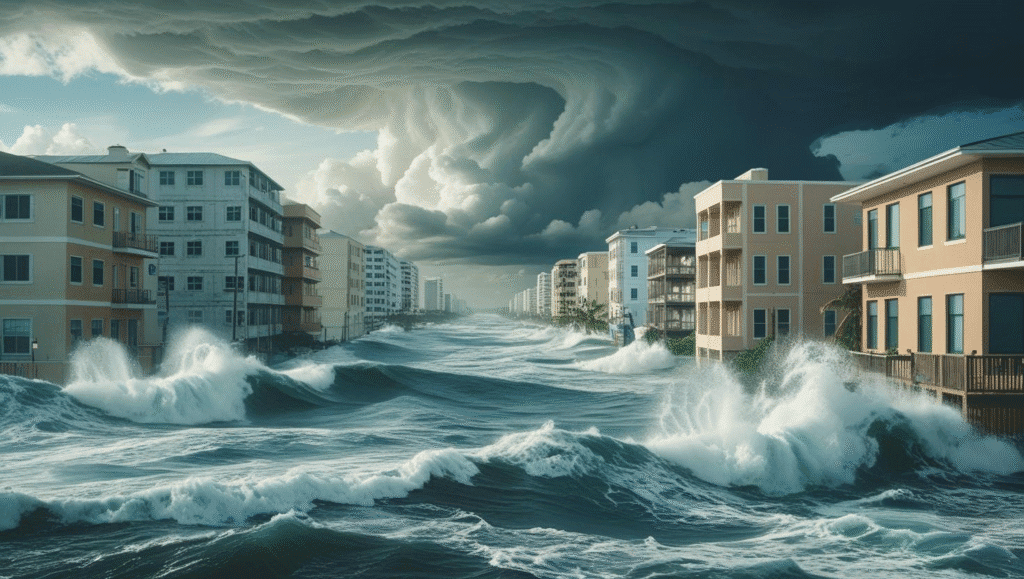
Emergencies come in many forms, but they have one thing in common: normal life can change very quickly.
One of the simplest ways to make your household more resilient is to create a 72-hour emergency kit—enough basic supplies to help you and your family function for at least three days if utilities, stores, transportation, or emergency services are disrupted.
The goal isn’t to prepare for every possible disaster. It’s to make sure you can meet your most important needs while you decide what comes next.
Why 72 Hours?
During a widespread emergency, first responders may be dealing with many calls at once. Roads may be blocked, electricity may be out, stores may be closed, and cell service may be unreliable.
For the first few days, you may need to rely largely on what you already have at home.
A good emergency kit addresses several basic needs:
Water. Food. Medication. Light. Communication. First aid. Sanitation. Warmth. Information.
Your kit should also reflect your household. A family with young children will need different supplies from a couple living alone. Older adults, pets, and family members with medical conditions may require additional preparation.
Down Load A Free 72 Hours Checklist
Start With Water
Water should be one of your highest priorities.
A commonly recommended starting point is at least one gallon of water per person per day for several days, for drinking and sanitation. For a 72-hour supply, that means at least three gallons per person.
A family of four should therefore consider storing at least 12 gallons.
Remember pets when calculating your water needs.
Hot weather, pregnancy, illness, strenuous activity, and certain medical conditions can increase the amount of water someone needs. Keep some water in smaller containers that can easily be carried if evacuation becomes necessary.
Periodically check commercially bottled water and stored containers for damage, leaks, or contamination.
Choose Food That Works Without Power
Your emergency food supply should consist primarily of shelf-stable foods requiring little or no cooking.
Good choices may include canned meats, chicken, tuna, vegetables and fruit; peanut or other nut butters; crackers; protein or granola bars; dried fruit; shelf-stable milk; cereal; nuts; ready-to-eat meals; and other foods your family actually enjoys.
Don’t forget a manual can opener!
Consider dietary restrictions, allergies, diabetes or other health needs when selecting emergency food. Baby formula and appropriate foods should be included when infants are in the household.
Store disposable plates, cups and utensils if they would make meals easier when water is limited.
And periodically rotate your emergency food into your regular pantry before it expires, replacing it with newer items.
Don’t Forget Medications
For many people, medications are more important during an emergency than almost anything else in the kit.
Maintain an up-to-date list of medications, dosages, allergies, medical conditions, physicians and emergency contacts. When possible and appropriate, discuss with your healthcare provider or pharmacist how to maintain an emergency supply of essential prescriptions.
Include necessary medical supplies such as hearing-aid batteries, eyeglasses, contact-lens supplies, mobility-device accessories, glucose-monitoring supplies or other items specific to your household.
A printed medical-information sheet can be especially useful if your phone is dead or inaccessible.

Build a Practical First-Aid Kit
Every household should have a well-stocked first-aid kit.
Consider including adhesive bandages in several sizes, sterile gauze, medical tape, antiseptic wipes, antibiotic ointment, disposable gloves, tweezers, scissors, a thermometer, cold packs and commonly used over-the-counter medications appropriate for your household.
A first-aid kit is more useful when someone knows how to use it. Consider taking a basic first-aid and CPR course.

Prepare for the Lights to Go Out
Power outages are common during storms and disasters.
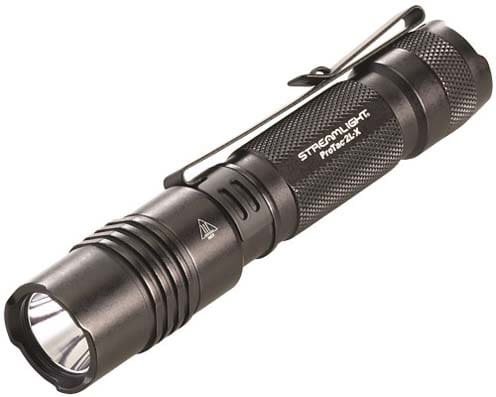
Keep several reliable flashlights or headlamps in your emergency supplies, along with spare batteries. Headlamps are particularly useful because they allow you to keep both hands free.
Battery-powered lanterns can illuminate larger areas.
Avoid depending solely on your cellphone flashlight. Your phone’s battery may be one of your most important resources during an emergency.
Consider keeping fully charged portable power banks with your emergency supplies and recharging them periodically. A vehicle charger can provide another option when conditions allow safe access to your vehicle.
Have More Than One Way to Get Information
When electricity and internet service fail, reliable information becomes extremely important.
Include a battery-powered or hand-crank emergency radio, preferably one capable of receiving NOAA Weather Radio alerts.
Your cellphone is still valuable, but don’t make it your only source of emergency information.
Write important phone numbers on paper. Include family members, neighbors, physicians, insurance providers and an out-of-area emergency contact.
If local cellular networks become overwhelmed, text messages may sometimes get through when voice calls do not.
Add Basic Tools and Safety Equipment
A few simple tools can become extremely valuable during an emergency.
Consider adding a multipurpose tool, wrench or pliers, duct tape, work gloves, whistle, waterproof matches or another appropriate fire-starting method, heavy-duty trash bags, plastic sheeting, rope or cord, and a basic toolkit.
Keep an appropriate fire extinguisher accessible in your home and make sure adults in the household know how to use it.
A whistle can help you signal for assistance if you become trapped or need to attract attention without repeatedly shouting.
Plan for Sanitation
Without running water, basic hygiene can become challenging surprisingly quickly.
Your emergency supplies might include toilet paper, soap, hand sanitizer, disinfecting wipes, feminine-hygiene products, toothbrushes and toothpaste, paper towels, heavy-duty garbage bags and ties.
Include diapers and wipes when needed.
Garbage bags have dozens of emergency uses—from waste management and protecting supplies from water to creating temporary barriers or carrying dirty clothing.
Clothing, Warmth and Protection
Keep weather-appropriate clothing available for each household member.
Consider sturdy shoes, socks, long pants, work gloves, rain ponchos or waterproof outerwear, blankets or emergency blankets, hats, and seasonal cold-weather items.
One frequently overlooked item is sturdy footwear near the bed.
A tornado, earthquake or severe storm can scatter broken glass and debris throughout a home. Having shoes, a flashlight and gloves readily accessible can help protect you when moving through damaged areas.
Important Documents and Emergency Cash
Technology is convenient—until the power is out or your phone is unavailable.
Keep copies of essential documents in a waterproof, portable container or pouch. These might include identification, insurance information, medical information, emergency contacts, property information and pet records.
Protect sensitive information appropriately.
It can also be helpful to keep a modest amount of emergency cash in small denominations. During a prolonged power outage, credit-card terminals and ATMs may not work.
Remember Your Pets
Pets need an emergency plan too.
Set aside several days of pet food and water, medications, bowls, waste bags or litter, a leash or harness, a carrier when appropriate, vaccination information, veterinarian contact information and a current photo of your pet.
Make sure identification tags and microchip contact information are current.
If evacuation becomes necessary, know ahead of time where you could safely take your animals.

Make Part of Your Kit Grab-and-Go
A home emergency kit shouldn’t necessarily be one enormous container.
Consider organizing supplies into clearly labeled waterproof bins, backpacks or duffel bags. Keep critical evacuation items together so they can be grabbed quickly.
A smaller go-bag for each household member can contain essentials such as water, snacks, medications, flashlight, power bank, emergency contacts, clothing and personal necessities.
This matters because different emergencies require different responses.
During a tornado warning, your priority may be getting to your designated safe area immediately.
During a fire, the priority is getting everyone out of the home quickly—not stopping to collect emergency supplies.
During a hurricane, wildfire or other event with advance warning, you may have time to load emergency supplies into your vehicle.
Your kit should support your emergency plan and never delay an evacuation.
Make a Family Communication Plan
Supplies are only one part of preparedness.
Every household should discuss questions such as:
- Where will we shelter during a tornado?
- How will we get out if there’s a fire?
- Where will we meet if we become separated?
- Who will pick up the children if an emergency occurs during school?
- Who is our out-of-area contact?
- What will we do with our pets?
- Where are the emergency supplies, fire extinguishers and utility shutoffs?
Children should know age-appropriate emergency information, including their address and how to call 911.
Practice your plan before you need it.
Check Your Kit Twice a Year
An emergency kit isn’t something you assemble once and forget.
Choose two dates each year to inspect it. Daylight Saving Time changes can serve as convenient reminders.
Check expiration dates on food and medications. Replace old batteries. Recharge power banks. Update clothing as children grow. Update emergency contacts and medical information. Inspect stored water. Replace anything you’ve borrowed from the kit.
Most importantly, make sure everyone knows where the emergency supplies are located.
Prepared, Not Afraid
Emergency preparedness isn’t about living in fear of what might happen.
It’s about reducing the number of decisions you have to make when something does happen.
When the lights go out, you know where the flashlight is.
When severe weather approaches, everyone knows where to shelter.
When evacuation is ordered, medications and critical information are ready.
When stores are closed, you have food and water.
That is the value of preparedness.
You may never need every item in your 72-hour emergency kit—and that’s perfectly fine. But if the day comes when your family does need it, those few hours spent preparing ahead of time could make the next 72 hours considerably safer and easier.
Preparedness Note: A 72-hour kit is an excellent starting point. Families who have the space and resources should consider gradually expanding their home supplies beyond three days, particularly food, water and essential medications. (American Red Cross)
Preparedness doesn’t mean expecting the worst. It means being ready to respond when normal changes without warning.