



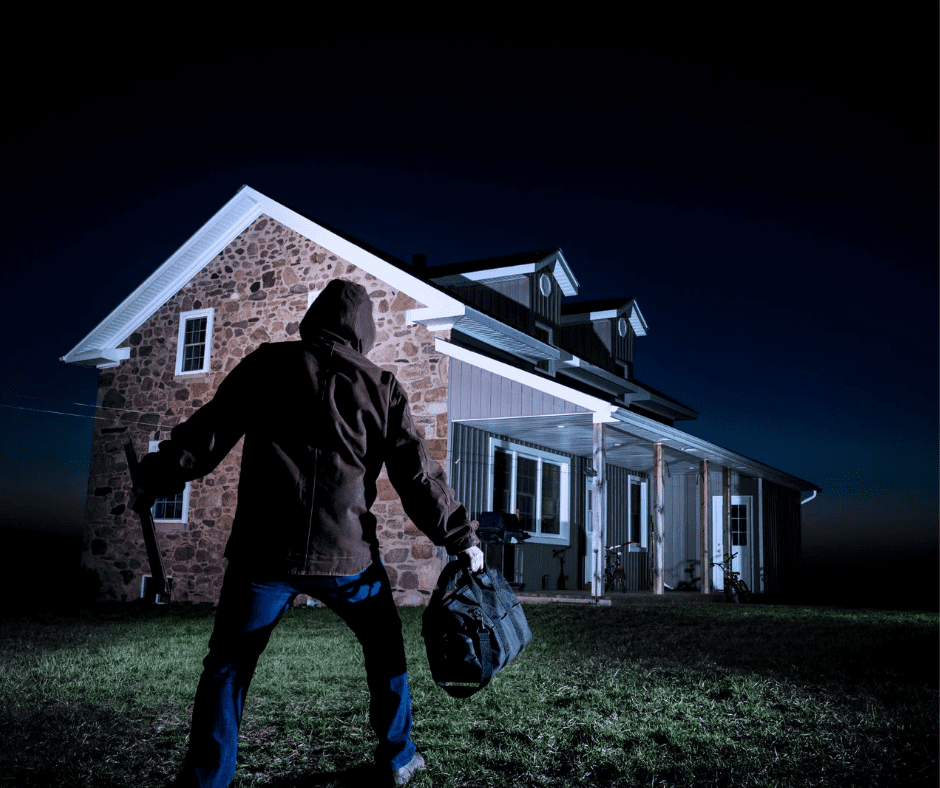
“If an intruder enters my home, how will my family protect themselves?”
Planning for home defense centers on developing a plan of action based on this very question. The primary goal is to keep everyone in the household as safe as possible in the event of an unforeseen threat, such as a home invasion or break-in. The primary goal is to protect your family’s lives. Property can be replaced, but lives cannot.
When developing your home-defense plan, all able-bodied individuals within the home should be assigned a specific role and taught how to carry out their assigned duties. This plan should take into consideration any specific needs and limitations, including, but not limited to, children, seniors, and anyone with mental or physical limitations. Practicing the plan regularly and adjusting it when the family dynamic changes (guests in the home, children home from college, etc.) is imperative for its successful execution during times of crisis.
Home Defense Plan Considerations
Creating a home defense plan includes deciding in advance how you will prevent unauthorized access to your home, detect threats early, and protect your household members if someone gains access. To help ensure the effectiveness of your plan, focusing on staying safe, calling authorities for assistance, and reducing confusion amid chaos is mission-critical. Expand each of the three topics below for a step-by-step guide on important considerations to take into account when developing your own home defense plan:

The priority is always to protect life first over property. Remember to include your pets in your planning process. Clear roles help to reduce confusion when the unexpected happens. Teach children that the safe room is where they go and stay until a trusted adult or older sibling provides additional instruction. Choose who will be responsible for gathering the children, seniors, or mobility-challenged family members and guiding them to the safe room.

Make your home a hard target! Assess the home’s perimeter and identify/list all entry points, including windows, doors, garage doors, and balconies. Make a note of any weak areas, such as limited lighting, overgrown shrubs, broken window locks, broken exterior cameras or alarm systems, and flimsy doors or windows.
Improvements in and around your home help deter potential intruders from targeting it. Simple improvements can make a difference, such as upgrading locks, reinforcing or replacing strike plates, using door locks, installing quality deadbolt locks, and keeping the garage door down. The interior door is locked, using window coverings, bars, or secondary latches; adding motion-activated lighting and alarms; adding alarm signage; and keeping shrubs trimmed to reduce intruders’ cover around your property. Reevaluate your physical security equipment (cameras, lights, locks, etc.) at least annually to ensure everything is working properly.
Choose a room where family members can retreat during a threat. The ideal space should have a solid door that can be locked from the inside, have one primary entrance and secondary escape route, and include a way to communicate with emergency services.
The room should also include first-aid items, medication and medical devices, tourniquet, flashlight or a battery-operated lantern, bottled water, and snacks. Any defensive tools for which family members are trained to use should be secured within as well. Consider emergency escape ladders for second story safe rooms with windows. Additional items you may wish to include are basic hygiene essentials, including a plastic-lined bucket, wipes, trash bags, diapers for children and seniors, and toys or books to help calm young children during the crisis. Prioritize “must-have items” over “nice-to-have items”.
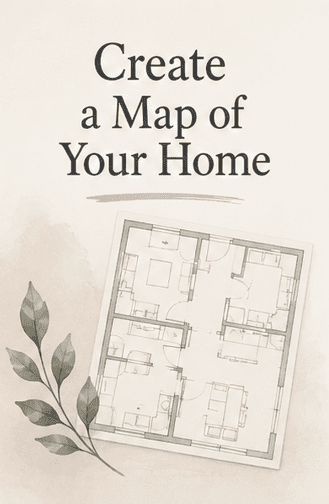
Sketch a map of your home to identify potential danger zones and safer zones. Use the map to design a response plan for intruders. On the map, identify each level of your home and all areas of concern, including points of entry within the home and around the exterior of the property, such as front door, sliding doors, basement windows and doors, and garages. Identify the most common places in the home where family members gather, and visualize how they should respond in an emergency.

Decide in advance who will call 9-1-1 and practice what they will say. If it’s a child or a senior, ensure they know the home’s address and how to describe the situation adequately.
Establish a verbal code word or phrase that informs family members that the plan is being activated.
Determine each individual’s role in the home, and practice each person’s actions to ensure everyone is comfortable performing their task(s).
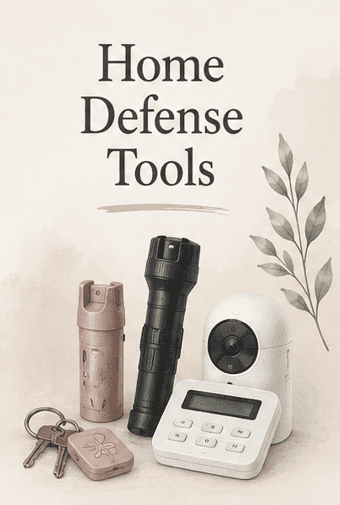
Before making any tools a part of your home defense plan, ensure that they can be legally used for self-defense purposes where you live. Learn your state’s use-of-force and home-defense laws. Identify environmental weapons and less lethal options that may be adequate to stop a threat before relying on lethal force. If your home defense plan includes firearms, be sure to obtain proper training and keep firearms secure and away from unauthorized users, especially from children and pets in the home. Consider obtaining self-defense liability insurance before an incident.
Putting Your Plan Into Action
An effective home defense plan is only as good as your family’s ability to execute it under pressure. It is imperative to conduct home defense drills during the day and at night, and to practice the roles of all family members, including guiding everyone to the safe room. Simulate all required actions of the plan and alter any areas of concern. If any part of your plan changes due to a new house, different family members in the home, or changes in health or the ability to execute the family member’s role, revise the plan and practice it.
Your home defense plan should focus on preserving life. Practicing and revising your plan, as necessary, improves your family’s chances of maintaining a safe household, even if a criminal has other plans.