



International Women’s Day 2026: Give to Gain
International Women’s Day (IWD) is celebrated each year, most recently on March 8th when both women and the contributions they’ve made were celebrated and honored around the world. First observed in 1911, this special day mobilized more than a million people. Emerging from the labor movements of the early 20th century throughout Europe and North America, women’s suffrage was a core demand of those speaking at various events.
The global campaign theme for 2026 is Give to Gain, which focuses on giving of one’s time, talents, resources, and support to women and girls while helping build stronger communities and greater workplace equality. The primary theme is “Rights. Justice. Action. For ALL Women and Girls”. International Women’s Day celebrates the social, political, economic, and cultural advancements of women. Many organizations highlight issues such as gender equity, safety, economic empowerment, and health. Others identify a specific focus on women in leadership, pay equity, and women in STEM (Science, Technology, Engineering, and Mathematics) fields.
Review Policies & Address Concerns
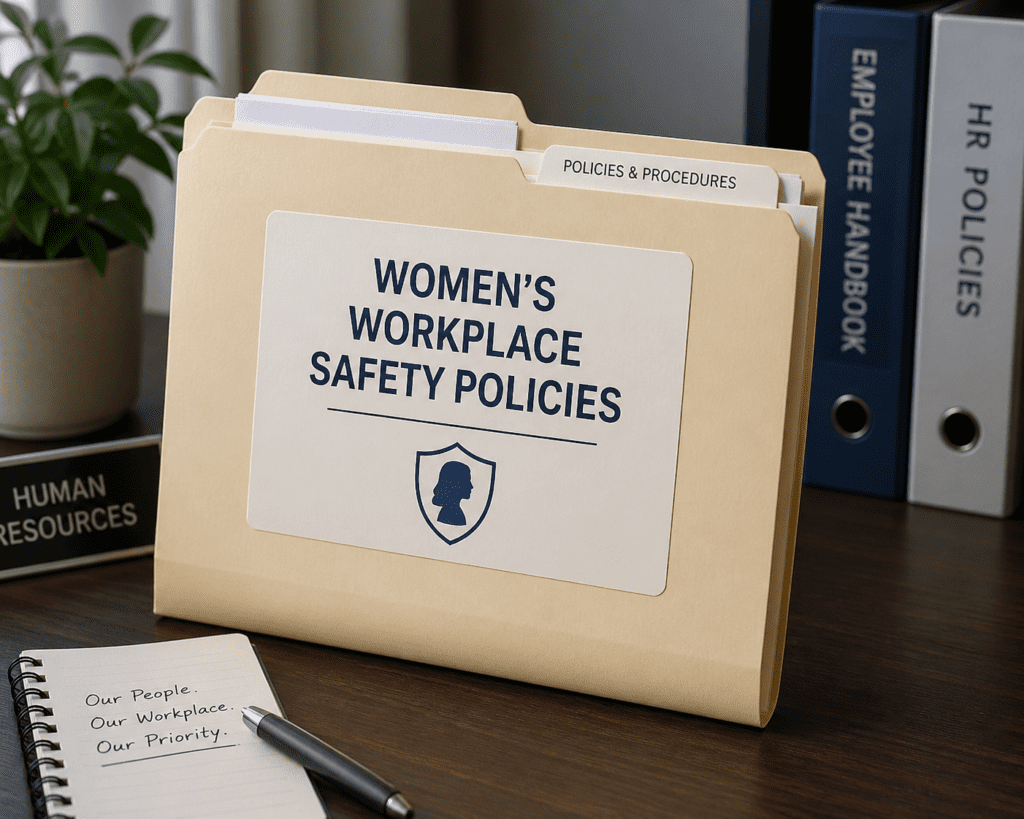
Some organizations use this time of year to review and reinforce policies and create measurable improvements in safety and equality. Workplace safety for women has had its challenges over the years. Many women work in environments with high rates of violence, such as the healthcare industry, social services, educational institutions, and many more. Women in the workplace have elevated risks of stalking, harassment, and domestic violence that spills over into the workplace. According to Cancer Therapy Advisor, women in the healthcare field are more likely than men to experience nonphysical violence such as verbal abuse, sexual harassment, and bullying, across multiple studies.
There is an expectation that all employees should feel safe at work. Employers must consider workplace safety policies for all employees, particularly for women, when it comes to job performance. Some of the safety concerns reported by women include work-related stress from harassment, pregnancy discrimination, caregiving pressure and challenges, which all may lead to burnout and health issues. Women with roles in construction, transportation, warehousing, and other related jobs often experience challenges with work processes and personal protective equipment (PPE), which are primarily ergonomically designed to fit men’s bodies, which can lead to safety risks for women.
Zero-Tolerance Policies
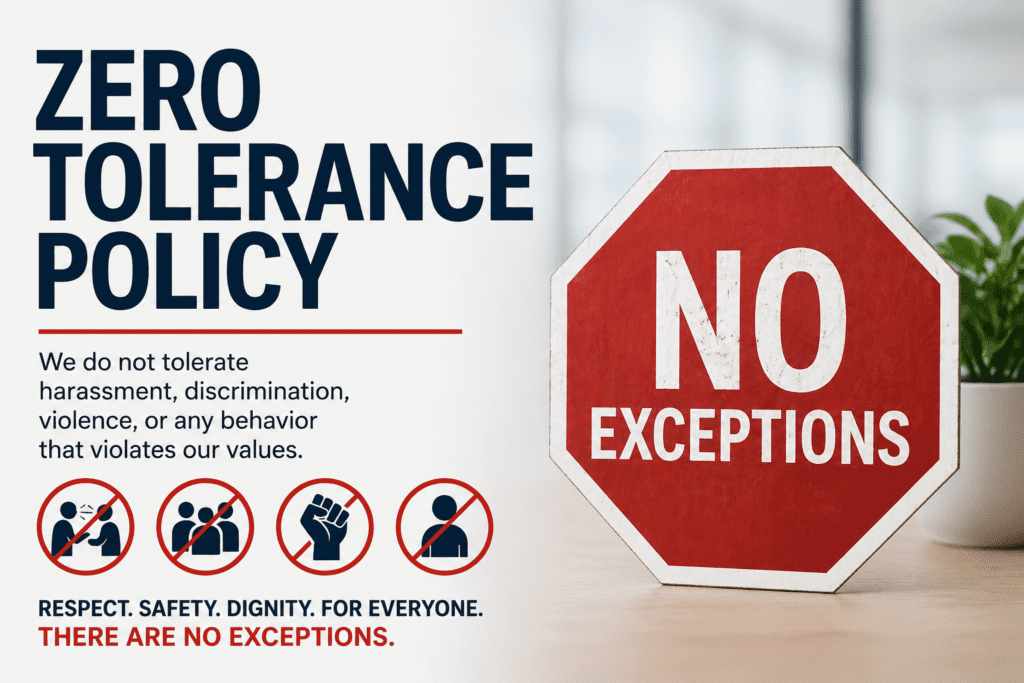
Workplace violence for working women is a unique risk compared to men in the workplace. When creating policies, leaders must consider those who work alone, work beyond normal business hours, and travel as part of their job requirements. Companies need to create and promote zero-tolerance policies, define harassment, discrimination, and workplace bullying, and outline the consequences for any violations. Investing in scenario-based training and workshops that include role-playing helps emphasize the company’s policies and culture. Companies must communicate policies frequently…it’s not a one-and-done at the time of onboarding. Posters and staff meetings help convey the importance of the infraction and its consequences.

Workplace Safety Policies: Create, Educate, Enforce
Training must be mandatory for all staff and leaders, not just women. Consider involving women in the development of safety committees to review policies and safety risks and ensure their concerns are addressed. Promotion of zero-tolerance policies which a company may adopt must define harassment, discrimination, and workplace bullying, with the consequences for violations clearly outlined and enforced. By addressing subtle behaviors directly and swiftly, an organization demonstrates their commitment to the policies that are designed to support both staff and company culture. Leaders must be held accountable for maintaining a hostile-free work environment, which requires frequently communicating these policies, as it’s not a “one-and-done” task checked off your to-do list at the time of onboarding. Periodic training throughout the year, even including things such as scenario-based training or assorted workshops often help emphasize what is acceptable behavior, and what must be promptly addressed.
Reporting Violations & Supporting Overall Wellbeing of Employees
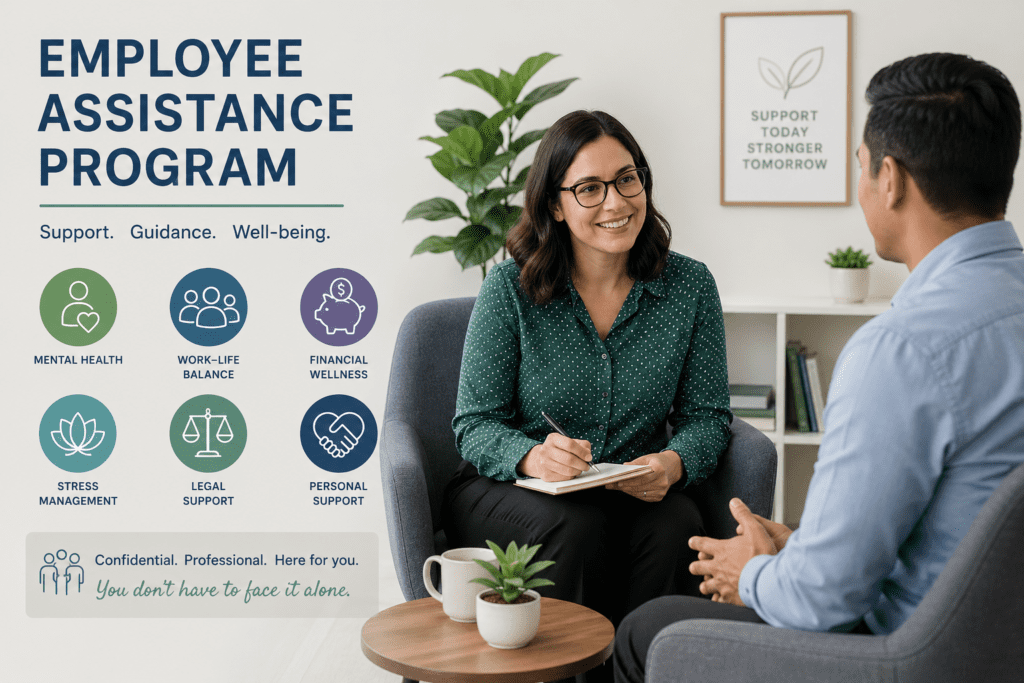
Creating a safe and confidential reporting channel is equally important as the training itself. Employees must understand the reporting process and feel comfortable using it, without fear of retribution. Employers should develop multiple ways to report policy violations, such as calling a hotline, reporting directly to the human resources department, or completing an online form. Anonymous safety-related surveys may reveal previously unreported safety issues that women may have been reluctant to disclose. In addition, offering an Employee Assistance Program (EAP) as part of the company’s benefits package provides another confidential source for employees to access counseling and referrals to outside resources when experiencing work-related stress or domestic issues. It’s also helpful for companies to adopt policies that support employees facing intimate partner abuse, as it often spills over into the workplace. To build trust in the company’s process and in leadership, prohibiting retaliation must be expressly stated in the policies.
When creating an inclusive environment where all employees feel protected, employers must address their employees’ safety needs. Minor improvements can make major impacts. Enhanced physical security may include improved lighting and cameras in parking lots and corridors, especially for women who work alone after hours. Implement a buddy system and limit late-night solo travel. Support women’s health by providing clean, well-stocked restrooms as lactation-safe spaces and for pregnancy-related needs.
Your Call to Action: All Employees Deserve to Be Safe
Addressing women’s safety improves morale and retention. According to Generation.org, women often face unequal pay, limited opportunities for advancement, and biased treatment, which can lead to stress and health issues. Some of the top issues for women in the workplace stem from fears about harassment, hostile culture, and unsafe behavior, which often lead to a lack of reporting in companies where women feel unsupported.
Your call to action is to take time to audit your policies and safety practices to ensure that women are represented equally and feel safe and supported. Verify that all staff are properly trained in the policies, the reporting process, and the consequences for violations. Women’s safety concerns must be treated as core business risks and addressed as such with policies that mitigate risks for women and the entire organization, ultimately. Through workplace initiatives, mentoring, and training, the entire workplace benefits.