



“Practice makes perfect.” It’s an age-old saying. Professional athletes practice regularly to perfect their craft. But not just any practice will get oneself better. Yes, repetition is key, but those repetitions must be without flaw. If we practice a flawed technique, then that flaw will become our habit. Shooting is no different than any other sport when it comes to practice. We must adopt the idea of “perfect practice makes perfect.” Do it right in practice and right becomes your new habit.
One area that shooting is different than other sports is the cost involved. Every shot cost money. Then there’s range fees, targets, gas to get there. You get the idea. It’s not like a baseball player pays for every swing of the bat. Practice in any shooting sport can become quite expensive, even if its just recreational.
When the cost of shooting adds up, we can always look to practicing in the comfort of our home. No, not with live ammunition. Dry fire practice (practicing with an unloaded firearm) can reap benefits, just as live fire can. Dry fire has been used for decades by competition shooters, military, and average shooters too.
When practicing by using Dry Fire, ensure the gun is completely unloaded with a visual check, and still practice firearm safety; especially “treating the gun like it is loaded, even when you know it is not.”
Why Dry Fire Training Is So Effective
1. Builds Skill Without Ammo Costs
As mentioned above, live-fire training is essential, but it’s expensive and time consuming. Dry fire allows you to practice anytime, anywhere. That means more repetitions, which is the real key to improvement. You can get as many reps in as you feel is necessary to gain a particular skill. Or if there was a bad rep, you could redo it correctly without extra costs. Remember, more (perfect) reps = better habits.
2. Improves Trigger Control
Trigger control is one of the hardest fundamentals to master—and one of the easiest to practice dry. Dry fire can isolate the trigger press, helping you eliminate any movement on the gun. Without recoil, your brain can fully focus on smooth, deliberate movement. Sometimes during live fire it’s hard to see when you move the gun because immediately after the trigger is pressed there is recoil.
3. Reinforces Proper Grip and Sight Alignment
Dry fire forces you to pay attention to what the gun is doing before the shot breaks. You’ll quickly notice:
- Sight movement during the trigger press
- Grip inconsistencies
- Tension issues in your hands or wrists
Again, recoil in live fire can make some of these issues harder to identify. By removing the bang, we can focus on the details of shooting a little better.
4. Perfect for High-Frequency Training
Most shooters can only get to the range once or twice a month. Long breaks in between practice can slow progress. Short, frequent dry fire sessions are often more effective than occasional live fire range trips. Dry fire fits easily into a daily routine, which accelerates progress. If you can squeeze 5-10 minutes a day, 3-4 times a week into your practice, you’ll notice a huge difference in your shooting next time you live fire. A once a month range session is now much more effective when combined with dry fire.
Tools to Help
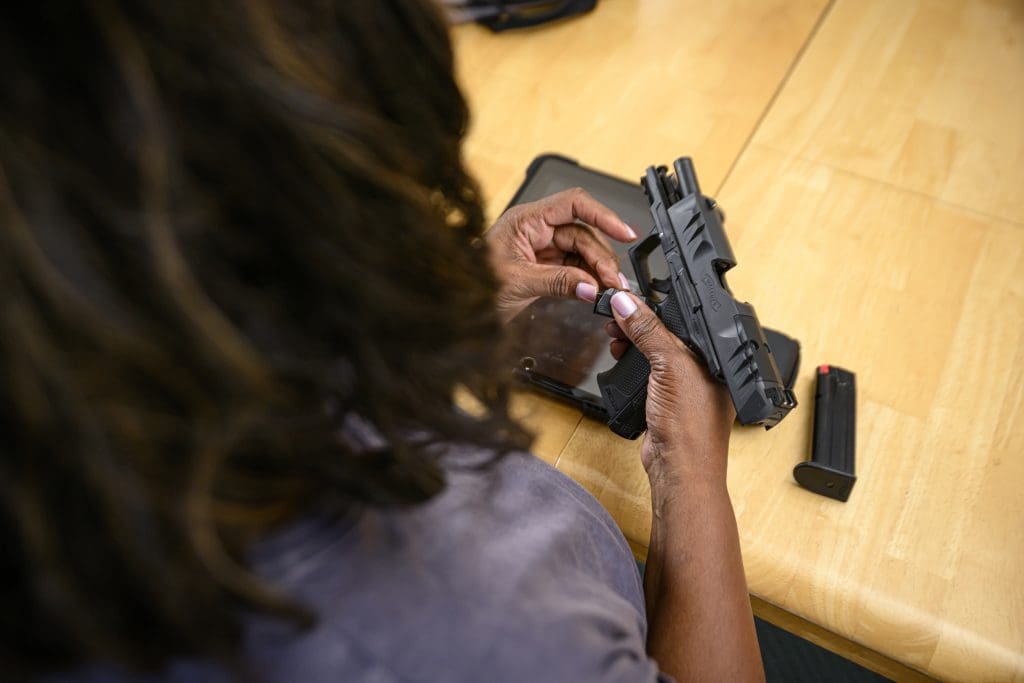
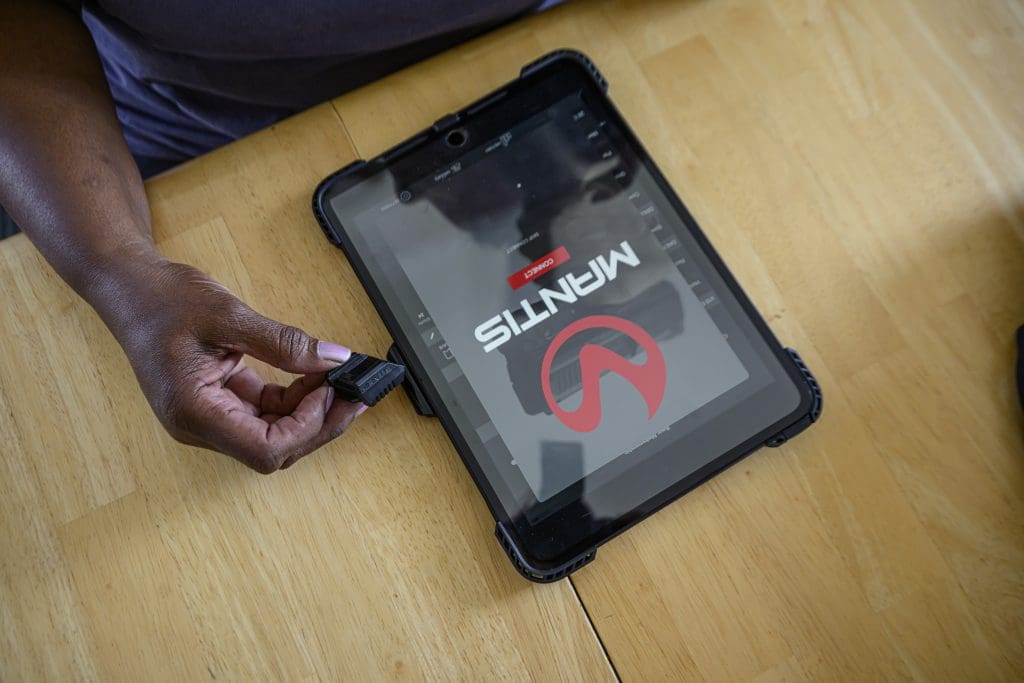
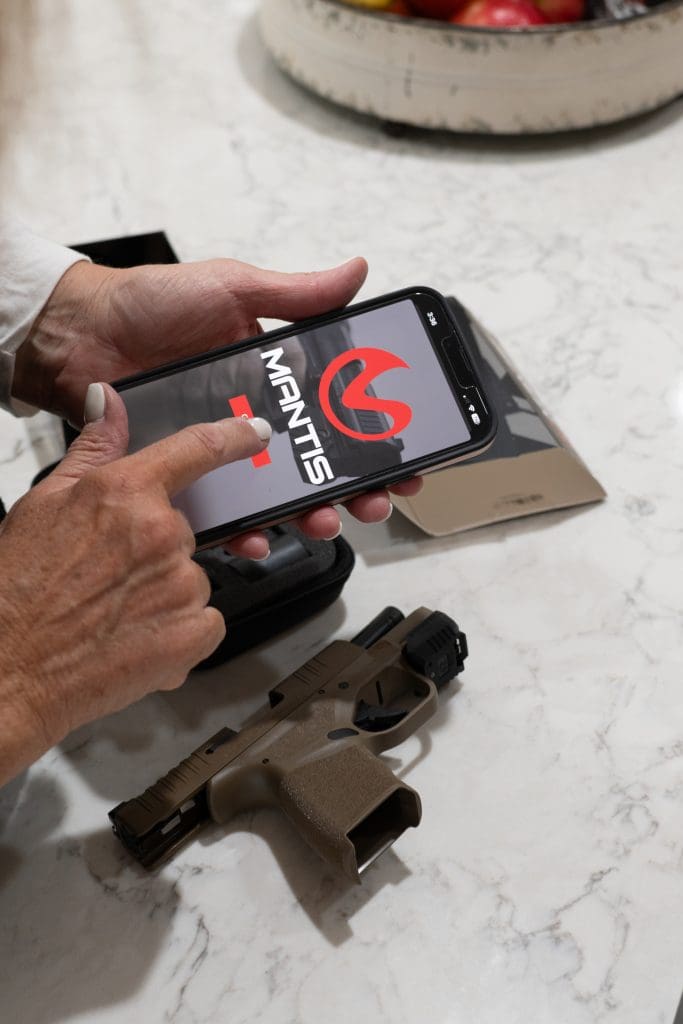
While dry fire can be done with no equipment, other than an empty gun, there are great tools to help self diagnose shooting flaws. Video is a great tool to see yourself shooting, but real time feedback is important too. The Mantis Firearm Training System has several products to help perfect your fundamentals.
The Mantis sensor attaches to your firearm and tracks movement before, during, and after the trigger press. Instead of guessing what went wrong, you get immediate, objective feedback.
Mantis tells you:
- How steady your aim was
- Exactly when and how you moved the gun
- What type of error you made (e.g., trigger jerk, heeling, tightening grip)
This turns every dry fire rep into a data-backed learning moment. You can immediately see what you did during the shot. The system doesn’t just score your shot—it explains why it happened and how to fix it. That’s like having a patient instructor available 24/7.
Track Progress Over Time
Whether you use a tool, like Mantis, or just an empty gun, documenting progress is important for you to see results. Record your draws, reloads, splits and transitions. Document your practice. It’s good to see your practice is indeed creating perfect techniques you can perform on demand.
An added benefit to Mantis is that it records your performance so you can see trends, identify weaknesses, and measure real progress. It keeps track of your performance so you have tangible results.
Dedicated Practice
Dry fire should be purpose driven. Hauling your gun out of the safe and getting a few trigger presses in with no direction will not give the best results. What do you need to work on? Were your shots low left at the range? Dry fire a few reps to see what the gun is doing and then decide how to correct it. Are you a little slower than you’d like to be out of the holster? Get a timer and set par times to achieve a smooth, fast draw.
Not sure where to start? Mantis offers guided drills and courses that build fundamentals progressively, keep training engaging, and help shooters of all skill levels stay consistent. Guided practice and set drills are especially helpful if you’re training on your own.
Final Thoughts
Dry fire isn’t a replacement for live fire. It’s a force multiplier. When paired with the Mantis system, dry fire becomes one of the most efficient and effective training tools available to modern shooters. If your goal is to improve fundamentals, save money, and make every trigger press count, dry fire isn’t just beneficial—it’s hard to beat.
Note: We may receive a small commission for any links clicked in this article.