


ntroduction: What is Road Safety Week?
Road Safety Week is recognized annually during the third week in November. It was initiated in response to the rising number of road accidents and fatalities. The focus this year is centered around road victims, with an emphasis on raising awareness about road crashes, as well as celebrating all who are responsible for helping provide support and care to injured road victims.
Alarming Road Safety Statistics
1.19 million people are killed on roadways around the world each year. – CDC
According to the Centers for Disease Control (CDC), 1.19 million people are killed on roadways around the world each year. Road traffic crashes are the leading cause of death for individuals ages 5-29. Whether you are driving a car, bus, truck, motorcycle or other mode of transportation, we are sharing the road with others and must always practice safety. The CDC gathers data on motor vehicle crash statistics and uses this data to educate the public about safe driving behaviors, such as wearing seat belts, not driving under the influence and pedestrian safety. A major educational emphasis is placed on vulnerable populations, such as elderly drivers, child passenger safety, and pedestrians.
CDC-Recommended Road Safety Tips
The CDC recommends the following tips:
- Seat belt use on every trip, regardless of the distance or whether you are in the front or back of the vehicle
- Properly buckle children in the back seat of the vehicle, using a car seat, booster seat or seat belt, as appropriate based on age, height, and weight
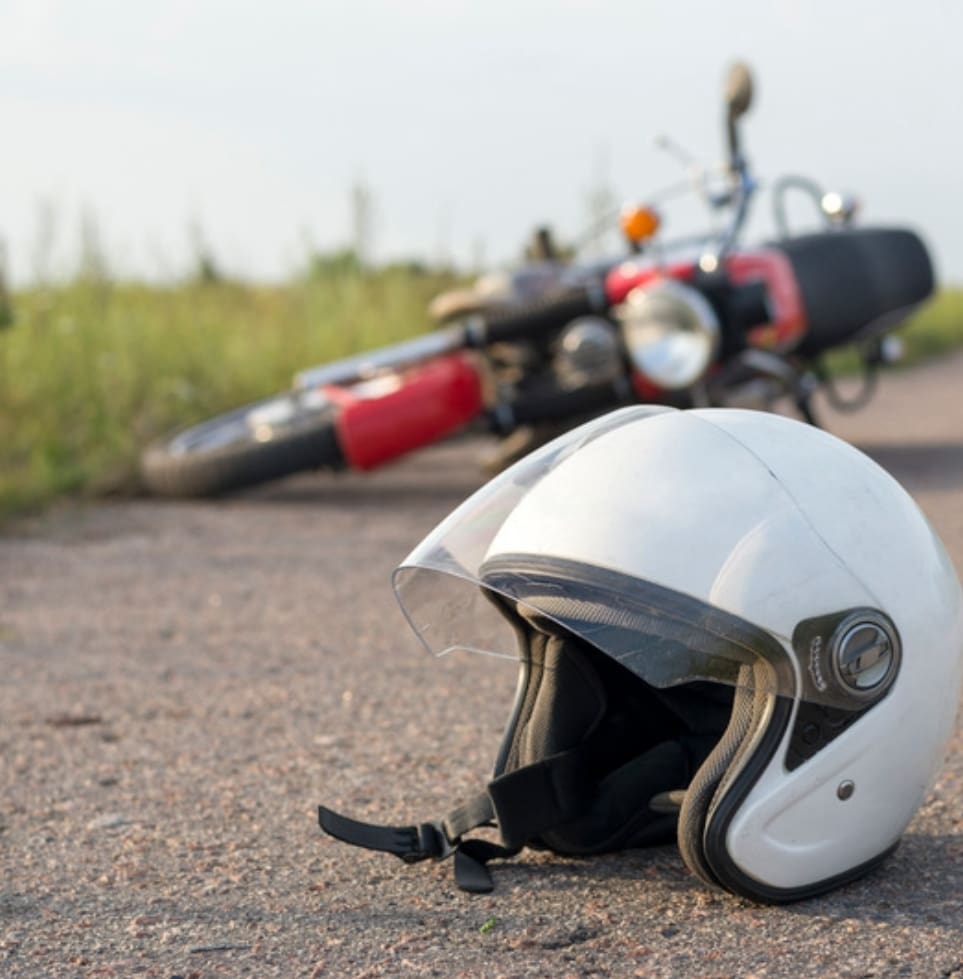
- Always wear a helmet when driving or riding on motorcycles, motorbikes, bicycles, etc.
- Do not drive while impaired by alcohol or any substance that may negatively impact your ability to drive safely
- Obey speed limits, as speeding is a leading risk factor that can lead to severe injury or death
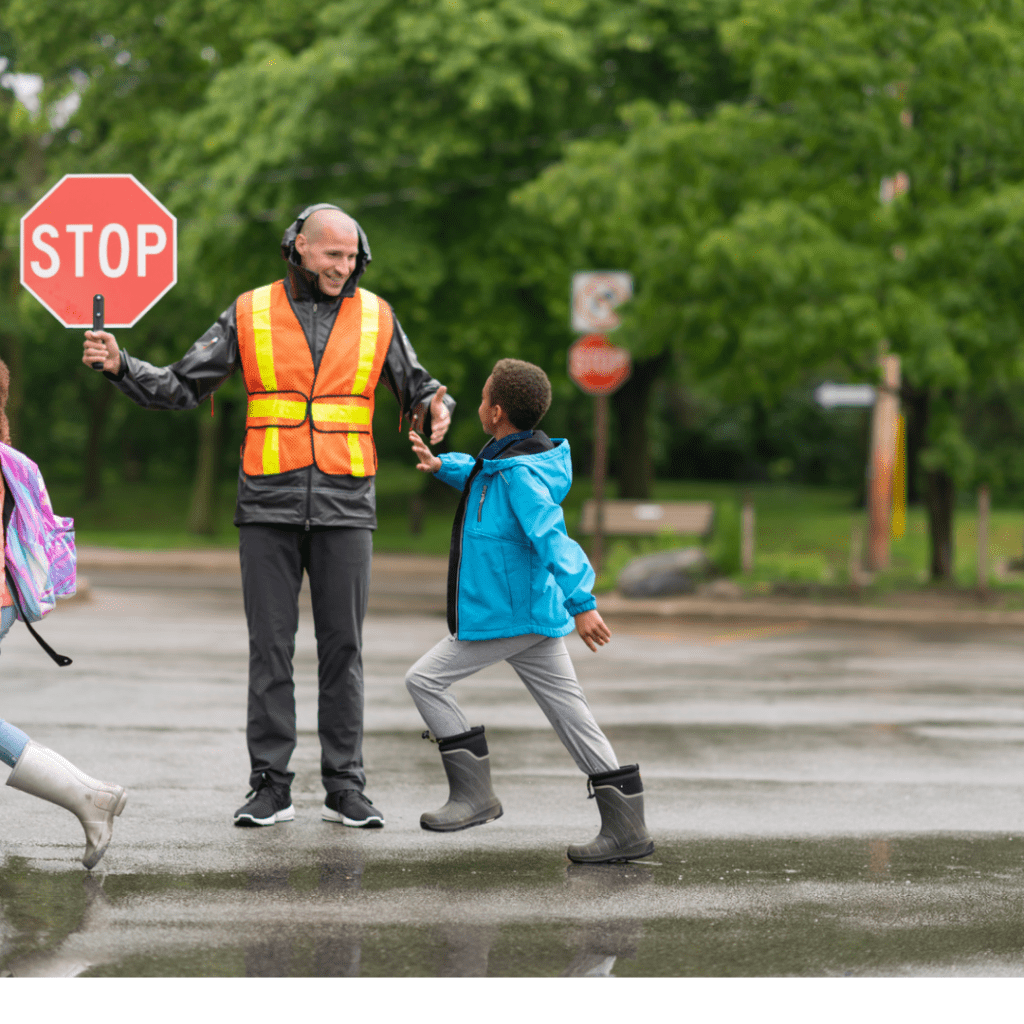
- Pedestrians should be alert when crossing streets and should cross in designated crosswalks
- Never text and drive and use hands-free devices for cell phone usage

The Purpose of Road Safety Week
To encourage safety on the road by observing safe practices and raising awareness about the devastating effects of road crashes, this annual event provides an opportunity for individuals, communities, and organizations to become engaged and involved in a variety of road safety initiatives that help to reduce and prevent accidents, injuries, and fatalities on the road. It also highlights pedestrian safety, responsible driving, and the importance of road repairs and improved road infrastructure. Ultimately, the Road Safety Week Campaign aims to advocate for safer roads and responsible driving, promote road safety awareness, reduce road accidents, and save lives.


Mental Wellness and Safe Driving
Understanding your physical, mental, and emotional state prior to taking a road trip reduces the risks of distracted driving. Mental and emotional distress may lead to unintentional incidents, therefore, conducting a self-check of your mental state and making your well-being a priority, prior to getting behind the wheel, may not only save your life, but it may also save the lives of others.
Some of the ways to help you reduce the risks associated with unsafe road practices include following all traffic laws, not engaging in road rage, following posted speed limits, abstain from driving while impaired or sleepy.
How to Get Involved in Road Safety Week
According to www.awarenessdays.com, there are many ways in which you can help to move the campaign forward. Here are a few suggestions about ways to get involved:
Observe Safe Driving Practices: Practice responsible driving by following speed limits, avoiding distractions, and obeying traffic rules.
Promote Pedestrian Safety: Educate pedestrians about safe crossing and encourage drivers to yield to pedestrians at crosswalks.
Support Road Safety Campaigns: Participate in or organize road safety awareness campaigns and educational events in your community.
Advocate for Safer Roads: Advocate for improved road infrastructure, including better signage, lighting, and pedestrian facilities.
Conduct School Programs: Engage with schools to teach students about road safety and encourage safe behaviors among young pedestrians and cyclists.
Drive Responsibly: If you drive, set a positive example by always wearing your seatbelt and refraining from texting or using your phone while driving.
Vehicle Maintenance Safety Checklist
In addition to the suggestions above, drivers should ensure that their vehicle is safe on the road by maintaining fluid levels, checking that your lights are working properly, verifying that windshield wipers are working and in good condition, checking tire condition and pressure, and checking that brakes are responsive and in good working condition. Other safety tips include traveling with an emergency kit in case of an unforeseen roadside incident. Your kit should include a flashlight, first-aid kit, jumper cables, water, and other items needed while waiting for help to arrive.
Defensive Driving and Road Rage Prevention
Equally as important is to be aware of other drivers who may be driving erratically. Keep your distance and watch for blind spots. Road rage is another distraction that can lead to serious accidents. Never engage with an angry person while driving. It’s not worth it and your life is more important. Proceed to a safe place and contact local law enforcement, if you feel threatened while driving.

Conclusion: Shared Responsibility for Road Safety
Be reminded that we all share the responsibility of road safety whenever we are on the road. Become an advocate by sharing safety tips and information about this campaign. Knowledge helps to save lives. Safety is your number one priority!