



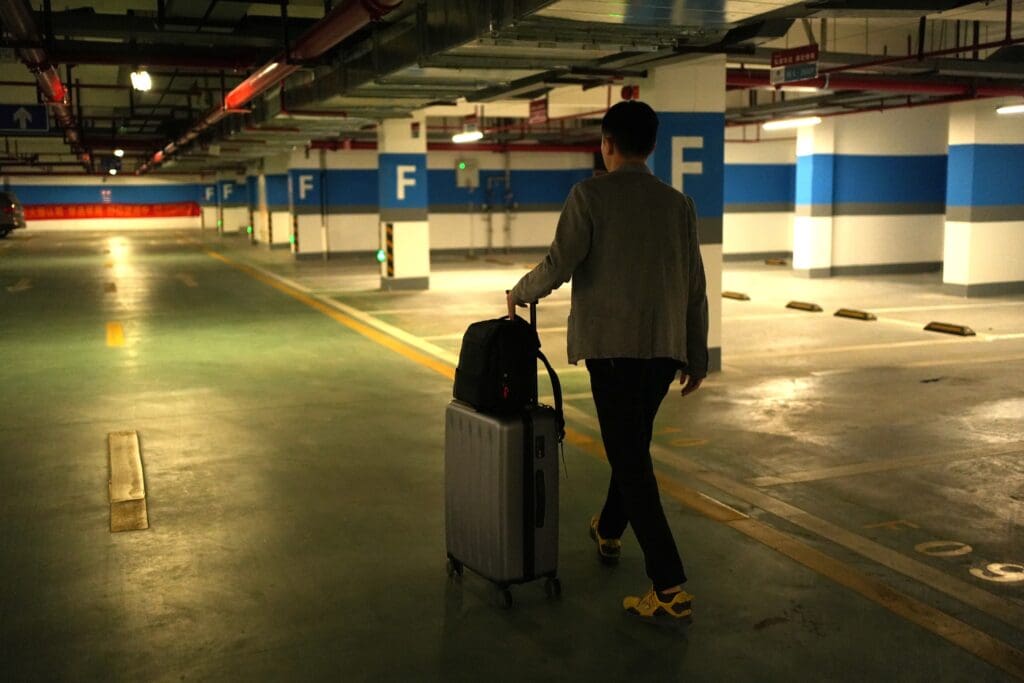
You’re walking to your car after work. The parking lot is quiet; it is just getting dark out, and your mind is reflecting on the busy day you had and what to have for dinner. Your phone vibrates in your purse, and without thinking, you glance down to pick it up. When you look back up, you suddenly notice someone standing nearby. You become anxious not because anything has happened, but because you didn’t see them until you were almost right next to them.
Awareness Does Not Equal Paranoia
Situational awareness is one of the most important personal safety skills a woman can develop. While most people think of everyday carry (EDC) as physical items like a firearm or pepper spray, the most effective tool you carry is your awareness. Just because a person is situationally aware does not mean they walk around in a constant state of paranoia. Instead, adopting this mindset is about staying mentally present in your environment so you can identify potential risks early and respond before a situation escalates. When combined with smart habits and practical self-defense tools, it becomes a powerful way to remain safe wherever you go. Read on as we discuss some of the best ways you can improve your situational awareness in a practical, easy-to-understand way that not only elevates your overall safety but also increases your confidence and preparedness.

Stay Present: Awareness Begins by Paying Attention
Day to day, we are presented with a seemingly never-ending supply of distractions. Smartphones, headphones, and
constant digital notifications easily pull our focus away from what’s happening around us. Unfortunately, people who
are distracted are often seen as easier targets for opportunistic criminals. Being aware of your surroundings doesn’t
mean constantly scanning every corner, suspecting something to go awry. It simply means staying mentally
present as you go about your day, while paying attention to what’s normal and what isn’t. Some of the things you can
start to pay attention to include identifying people closest to you, assessing the general behavior and mood of the
crowd, and identifying anything that may feel “out of place” or “unusual”, as well as knowing where people are able to
enter and exit the location you’re in. Doing this gives you valuable time to make decisions and adjust your behavior if necessary. While this level of awareness takes practice, it will quickly become second nature.
~ PRACTICAL TIPS ~
Keep your phone in your pocket or bag when walking through parking lots or unfamiliar areas.
*
Avoid wearing both earbuds in public or in any areas that require heightened awareness, and occasionally look behind you to reduce the likelihood of being caught off guard.
*
Pause briefly before entering or exiting a building, taking a quick look around before proceeding.
Notice environmental factors such as lighting, isolated areas, and available exit routes.
*
Use confident body language to discourage those looking for an easy target. Walk with your head up, shoulders back, and with intent.

Trust Your Intuition
You’ve likely experienced a moment when something simply felt wrong: a strange interaction, someone following too closely, or a location that suddenly felt uncomfortable. That uneasy feeling is your intuition at work. Your brain is constantly processing information: body language, tone of voice, distance, and environmental cues. Sometimes it recognizes patterns of risk before your conscious mind can explain them. Too often, women ignore these instincts because they don’t want to appear rude or overreact. Your personal safety should always take priority over social politeness. Don’t let distractions keep you from following your gut, as doing so could cost you the time you need in order to reach safety.
~ PRACTICAL TIPS ~
If a situation feels uncomfortable, distance yourself from it immediately.
*
If you feel like you’re being followed, change directions, enter a store, cross the street, or move towards a more populated area.
*
Avoid prolonged engagement with someone who makes you uneasy.
*
Use clear boundary statements such as: “I can’t help you” or “Please step back”.
Build Everyday Safety Habits
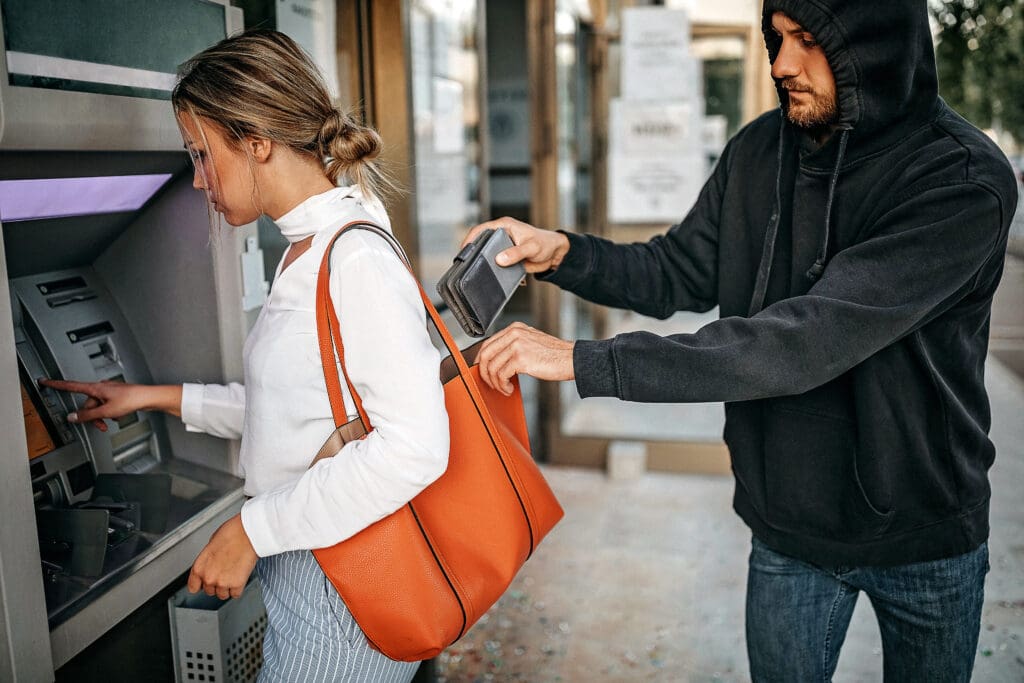
Situational awareness works best when it becomes part of your daily routine rather than something you only think about in obviously risky situations. Familiar environments often cause us to lower our guard, a natural yet potentially risky thing to do. Many safety incidents occur in places we regularly visit, such as parking lots, apartment complexes, grocery stores, and gyms. How well-lit an area is is another factor impacting the likelihood of a negative encounter. Those with ill intent will often act under the cover of darkness when seeking to do harm. Creating small safety habits in the spaces you visit most, including your homes and vehicles, will significantly improve your overall level of safety and awareness.
~ PRACTICAL TIPS ~
When possible, park in well-lit areas close to entrances when possible.
*
Have your keys ready before reaching your car, scan your backseat before entering, and lock the doors once inside.
*
When using a ride share service, confirm the vehicle’s license plates before entering, and always sit in the backseat.
*
Share your travel plans with a trusted friend, advising them of your anticipated arrival time an/or return date.
Self-Defense Items for Everyday Carry
While situational awareness is the foundation of personal safety, certain tools can provide additional protection in dangerous situations that you’re simply unable to escape. The best self-defense tools are those that are legal to own, simple, easy to access, comfortable to carry regularly, and ones that you’re able to confidently use under pressure. While the tool(s) you carry may vary depending on what you’re doing, the event, the location, or other factors, the important thing to remember is that there are always options available should you wish to protect yourself. Check out three popular options below, where we also highlight what to look for before making a purchase, tips for use, and considerations before using each defensive method.
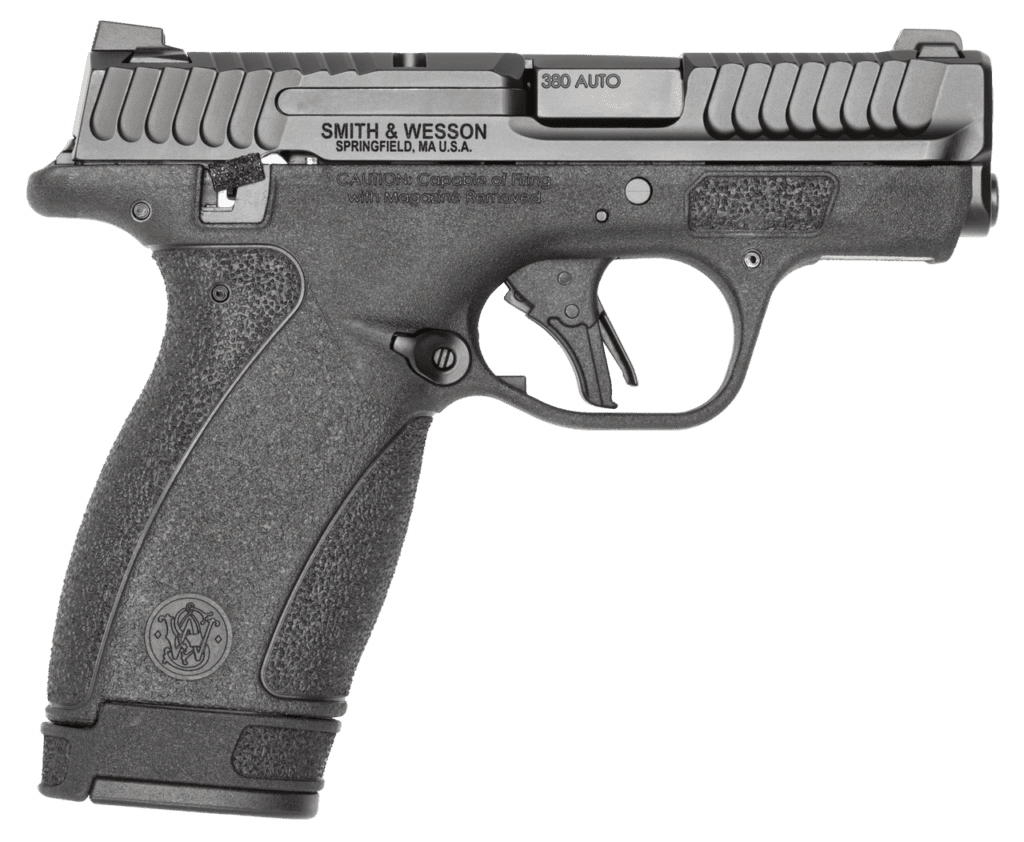
The proper firearm for personal protection is the highest caliber one the user can competently handle. Proper training and regular practice are non-negotiable to remain proficient when drawing from a holster and in all aspects of marksmanship, especially as it pertains to self-defense.
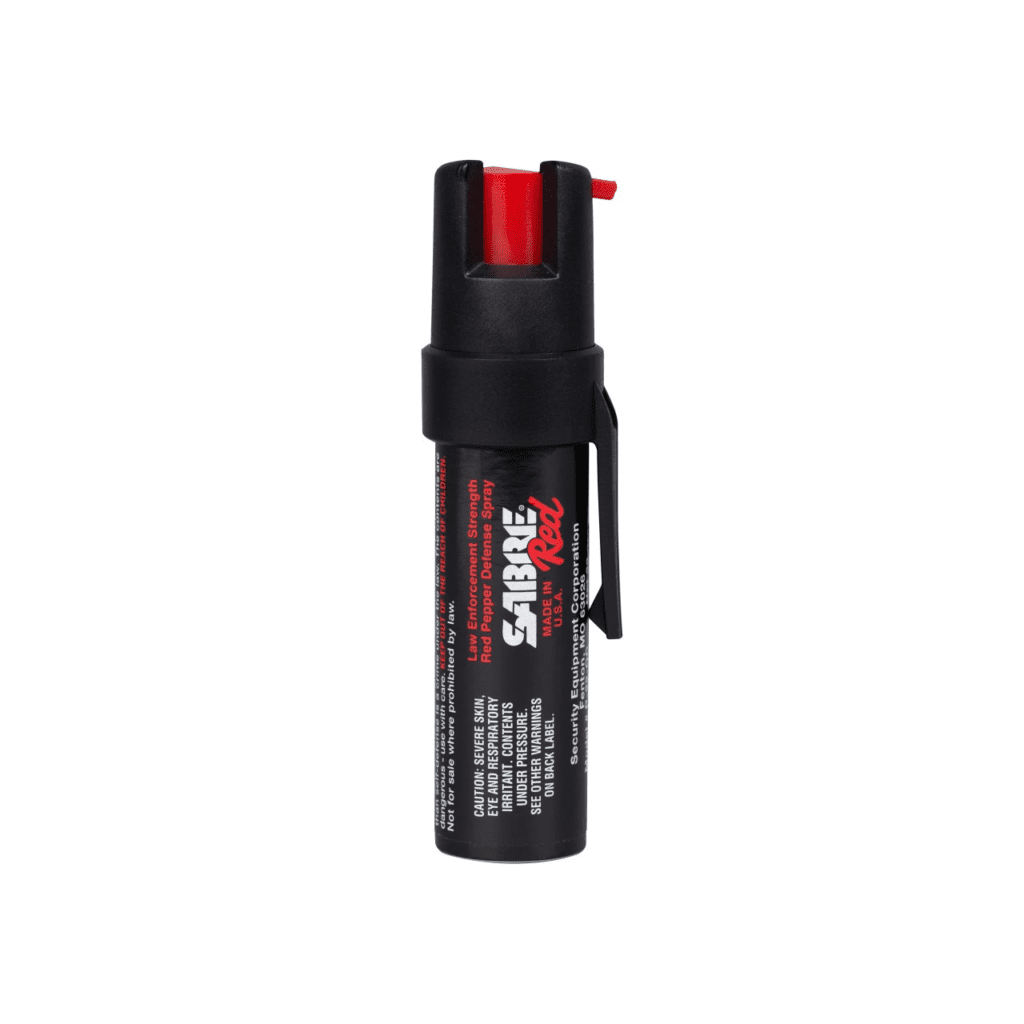
Pepper spray is a widely carried self-defense tool that causes intense discomfort and irritation to a person’s eyes and respiratory system. It is used to immobilize your assailant long enough to create distance between you and the threat.
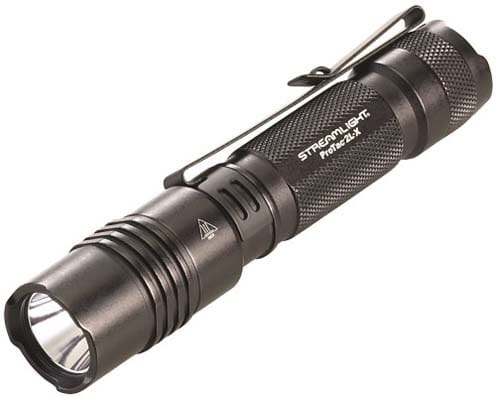
A compact, high-powered flashlight is an underrated safety tool. It helps illuminate dark areas and can temporarily disorient someone if shone directly into their eyes.
To Sum it All Up…
Your awareness is your first line of defense. Think back to that moment in the parking lot.
Situational awareness means noticing the person standing nearby before you’re within arm’s reach. It means
recognizing unusual behavior early enough to adjust your path, move to a safer location, or prepare to act.
Safety habits and self-defense tools can help, but none of them replace the value of awareness.
The more present you become in your surroundings, the more control you gain over your personal safety. Instead of moving through the world distracted or uncertain, you move with confidence and preparation. Remember, time is space, and the sooner you identify a potential threat, the more time you will have to create distance and avoid it.
Start building these healthy habits right away by simply looking up from your phone, paying attention to your environment, and trusting your instincts. The most powerful item in your everyday carry regimen isn’t something you clip to your keys or keep in your purse. It’s the awareness you bring with you everywhere you go.